The great elk migration
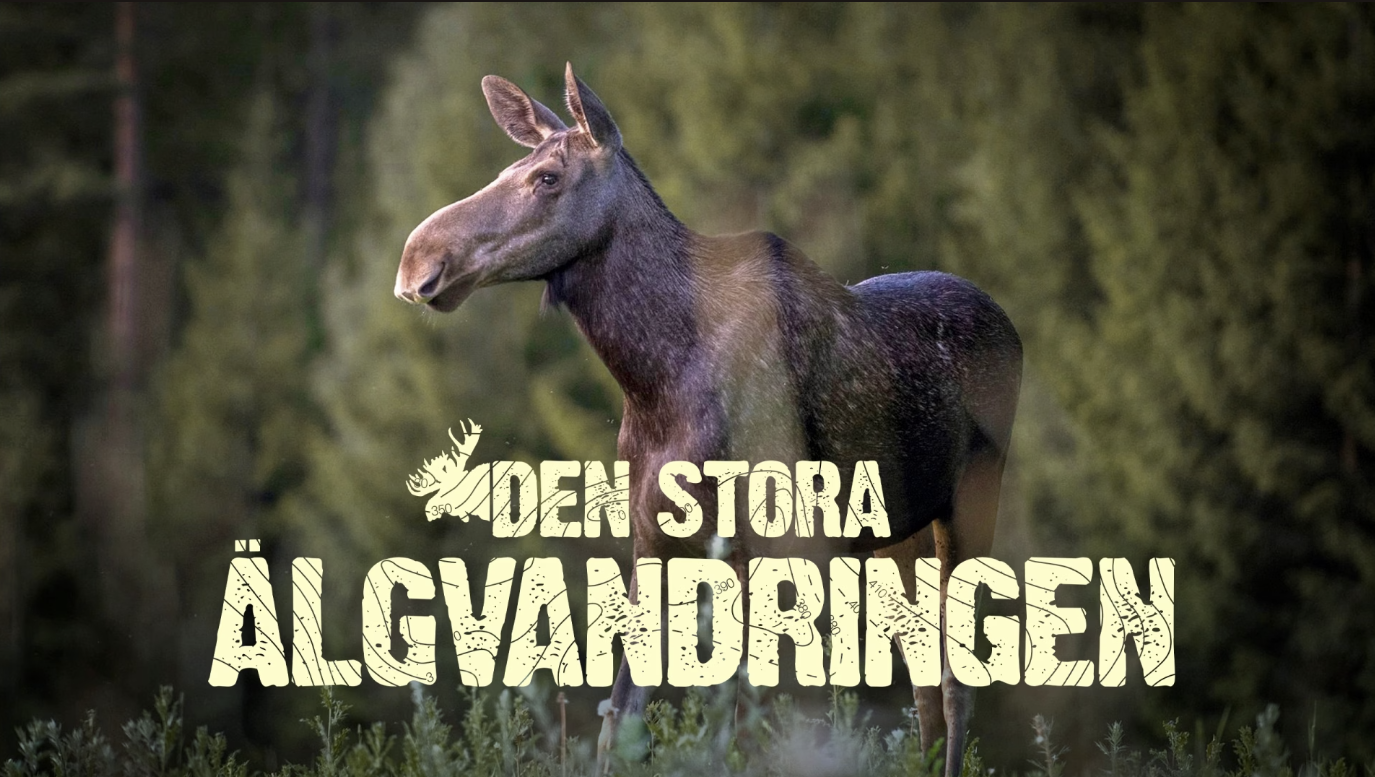
Life in northern Sweden makes the seasons visible in many ways: in the changing light, in the breakup of ice, in the return of birds — and also in the movements of large animals across the landscape. One of the most striking spring events is the Great Moose Migration near Kullberg, outside Junsele in Ångermanland, where moose gather year after year to cross the Ångerman River and continue on toward their summer ranges. Sweden’s public broadcaster SVT follows this migration live under the title Den stora älgvandringen. In 2026, the broadcast runs from 18 April to 8 May, with an earlier start because spring arrived unusually early.
The natural history behind it is clear enough. In northern Sweden, many moose move between distinct winter and summer habitats. According to research from SLU, migrating moose in the north often travel roughly 30 to 90 kilometres, and in the Junsele study area the average distance between winter and summer ranges is about 55 kilometres as the crow flies. For female moose, the spring journey is particularly purposeful: within one to three weeks they reach their summer range, where they give birth and take advantage of the fresh, nutrient-rich vegetation.
What makes the migration especially compelling is its continuity. Around Kullberg, the moose do not simply wander at random; they follow landscape corridors that have been used for a very long time. SLU and SVT point to archaeological traces suggesting that moose in this region have moved along the same natural paths and waterways for thousands of years. That gives the event a particular depth: it is not just beautiful footage, but a brief glimpse of an ancient seasonal rhythm between animal, river and terrain.
For many Swedes, however, the migration now means more than wildlife biology. It has become one of the country’s best-known examples of slow TV. Viewers watch hours of forest, wind, current, birdsong and empty riverbanks, knowing that at any moment a moose may appear. Researchers at SLU describe the programme as a form of shared digital nature experience; many viewers experience it as calming, communal and almost like a digital campfire.
The production itself is substantial. In 2026, according to SVT and Visit Sweden, the broadcast uses more than 30 cameras and new camera angles, running around the clock. The record during SVT’s live seasons so far is 87 moose crossing the river during one broadcast period. What began as an unusual nature stream has grown into a national and international phenomenon: reports on the 2024 season cited close to 9 million starts/viewer sessions, with interest reaching well beyond Sweden.
Perhaps that is exactly the point. The Great Moose Migration expresses something many people associate with Sweden at its best: patience, closeness to nature, trust in silence, and a willingness to let apparently uneventful things unfold in real time. Watch it for a while, and it becomes immediately clear why this quiet spring ritual has found such a devoted audience. The official live stream is available on SVT Play.
Here is the link to the TV stream on SVT Play - you do not need to log in, just klick here!