One last autumn photograph
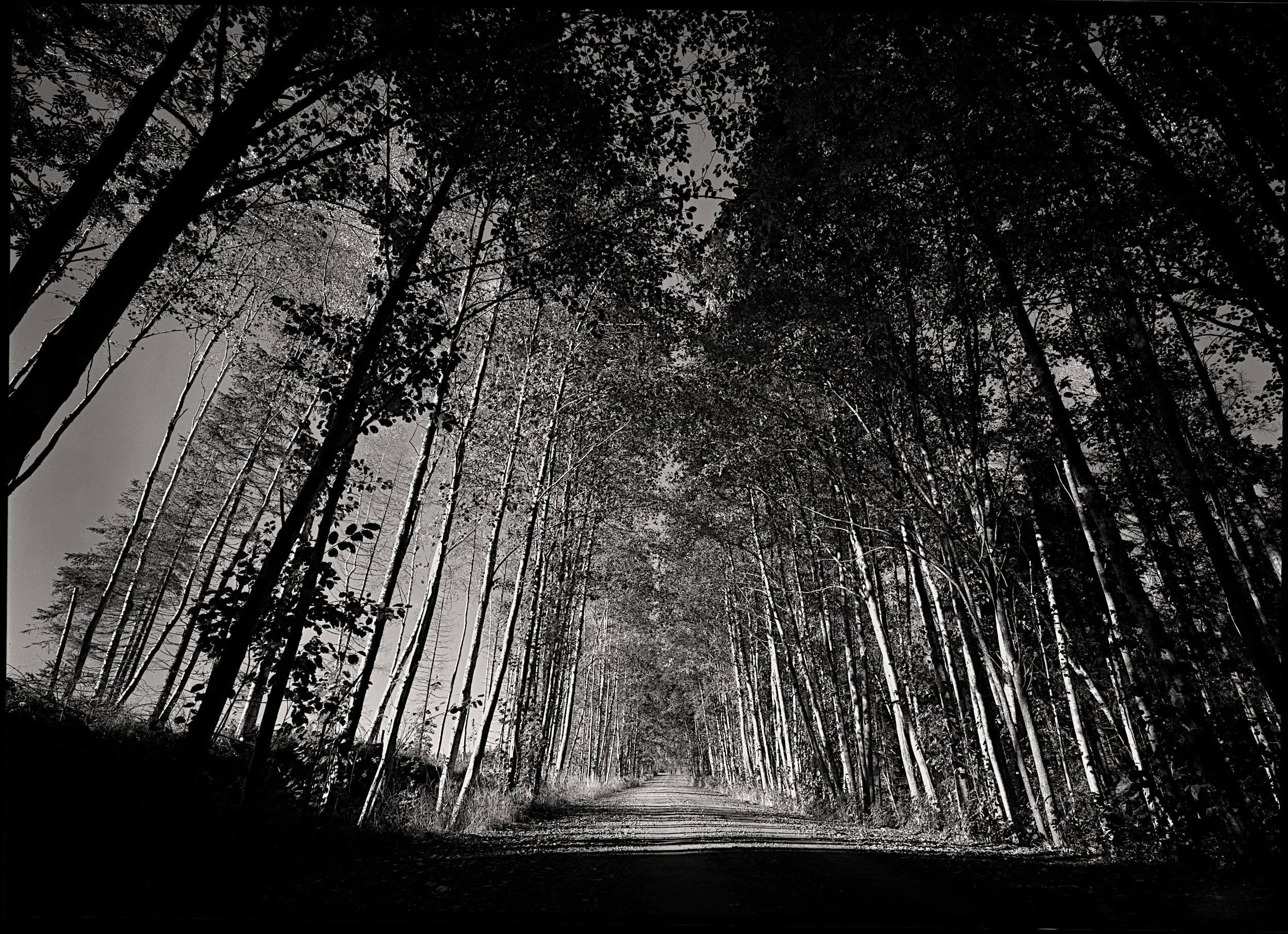
Alongside the preparations for winter, I also found time during the last beautiful days of autumn for a photographic outing to “Utsikt”. Just as in winter, I found the path up to the viewpoint wonderfully picturesque in the autumn light. With the wide-angle lens on my Alvandi 5×7-inch large-format camera, I was able to capture the atmosphere vividly. I will be showing this photograph in my first exhibition at Konstlada 63° Norr, which opens on 3 July 2027.
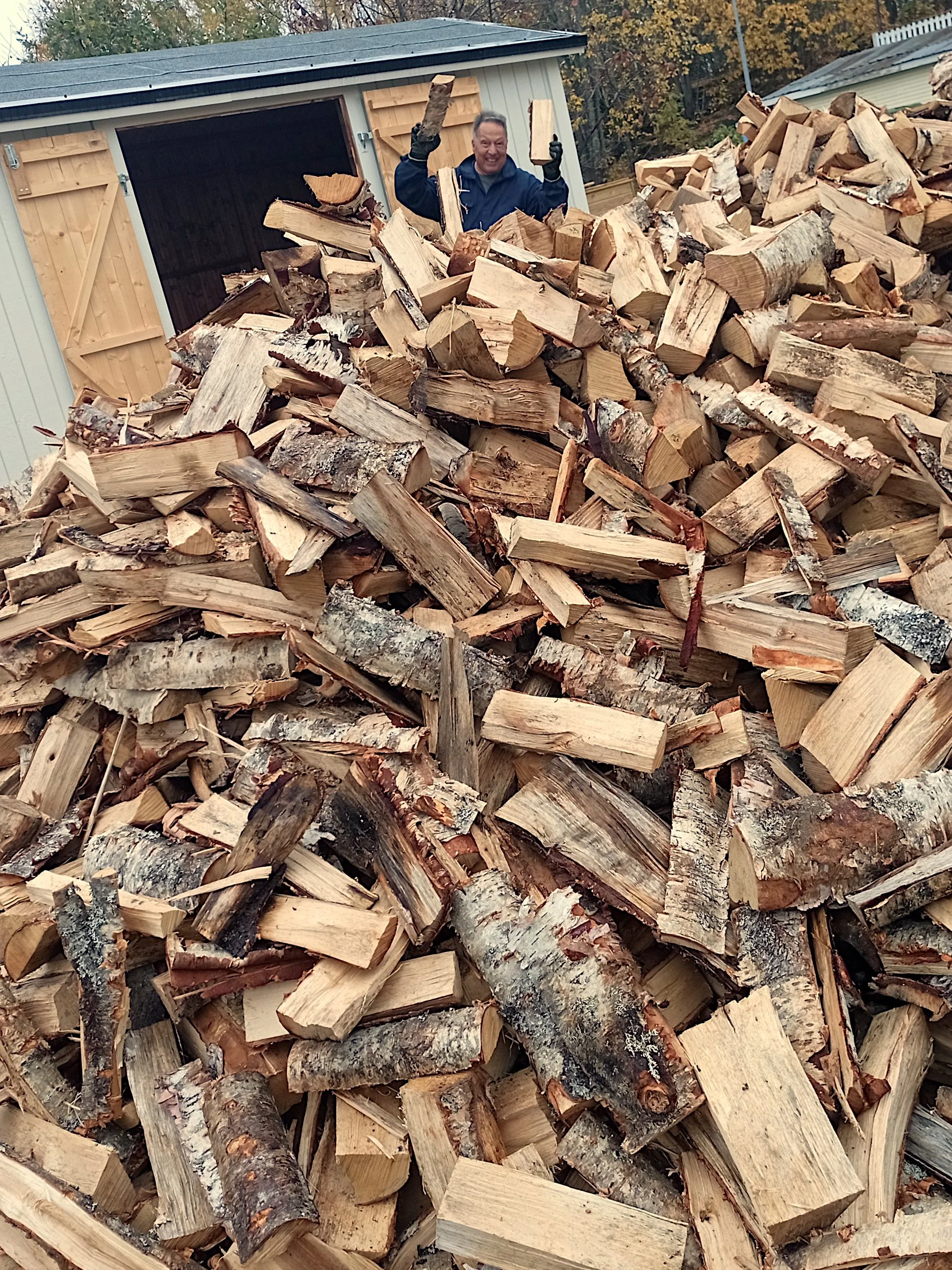
18 cubic metres of firewood
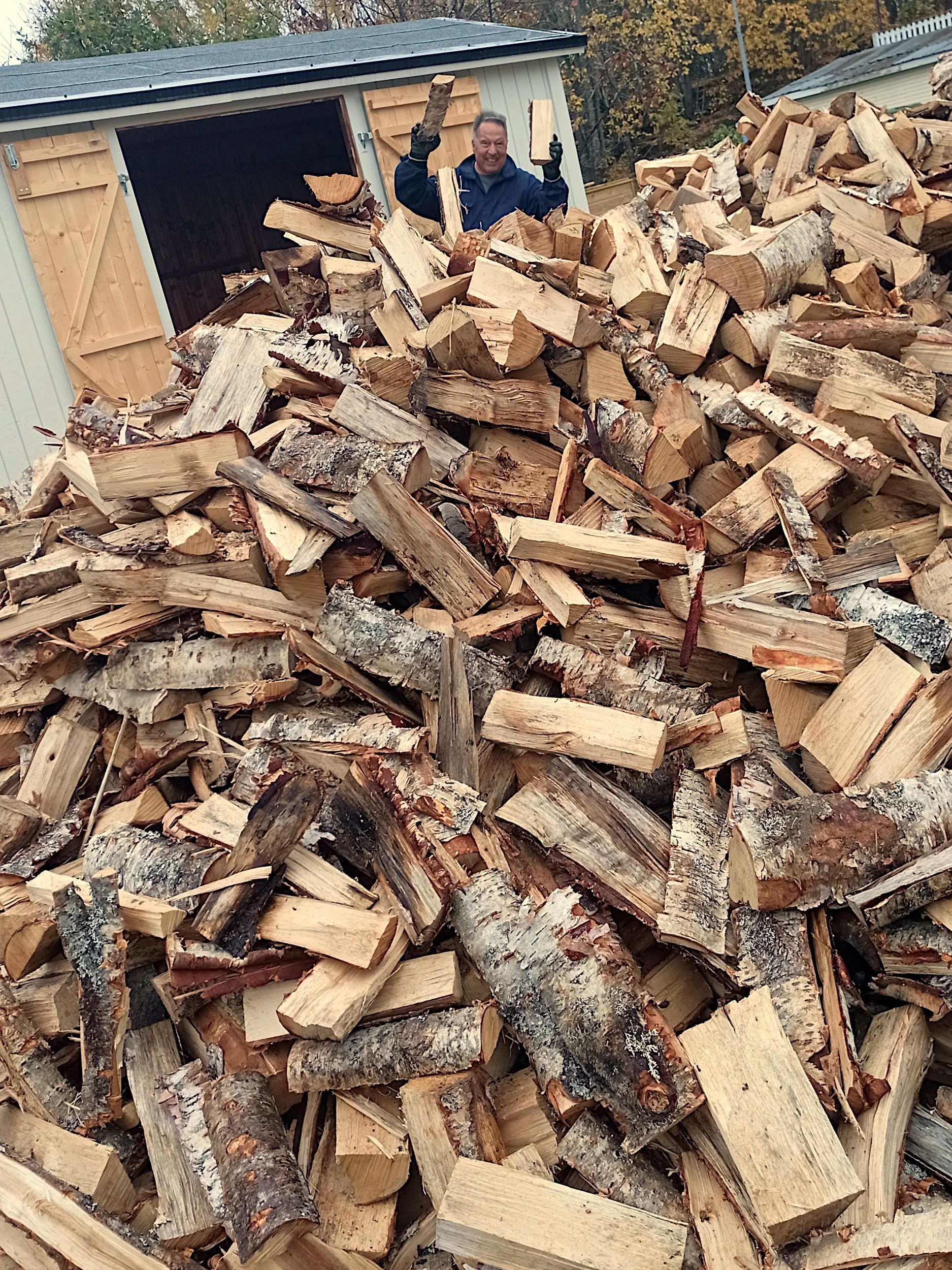
Last Thursday, the lorry arrived in our yard with the firewood we had ordered. Tailgate open, tipper up — and within minutes, 18 cubic metres of dry, split birch lay in front of our little woodshed. I had estimated its capacity at just under 20 cubic metres, while we reckon we need around 14–16 cubic metres a year for the house and sauna. I am expecting a long, cold winter — the migratory birds left our region noticeably earlier than in recent years — and I like to have a little in reserve. A lorry can carry a maximum of 18 cubic metres, so deciding how much to order was easy.
Putting all those birch logs away took rather longer. Every single piece had to be “personally” carried to its place. By Saturday, everything was stacked away, just in time for the approaching drop in temperature.
During those hours of rather meditative work, I found myself smiling at memories of life in Switzerland, when I used to buy firewood for the fireplace at petrol stations, at astronomical prices…
Here in the North, a reassuring supply of firewood is no luxury. Our log house is very well insulated, but temperatures below −30°C are still something to reckon with! There is also a very different sense of warmth from the one you get with central heating, knowing that every log we burn has already passed through my hands several times.
Symphony of colours
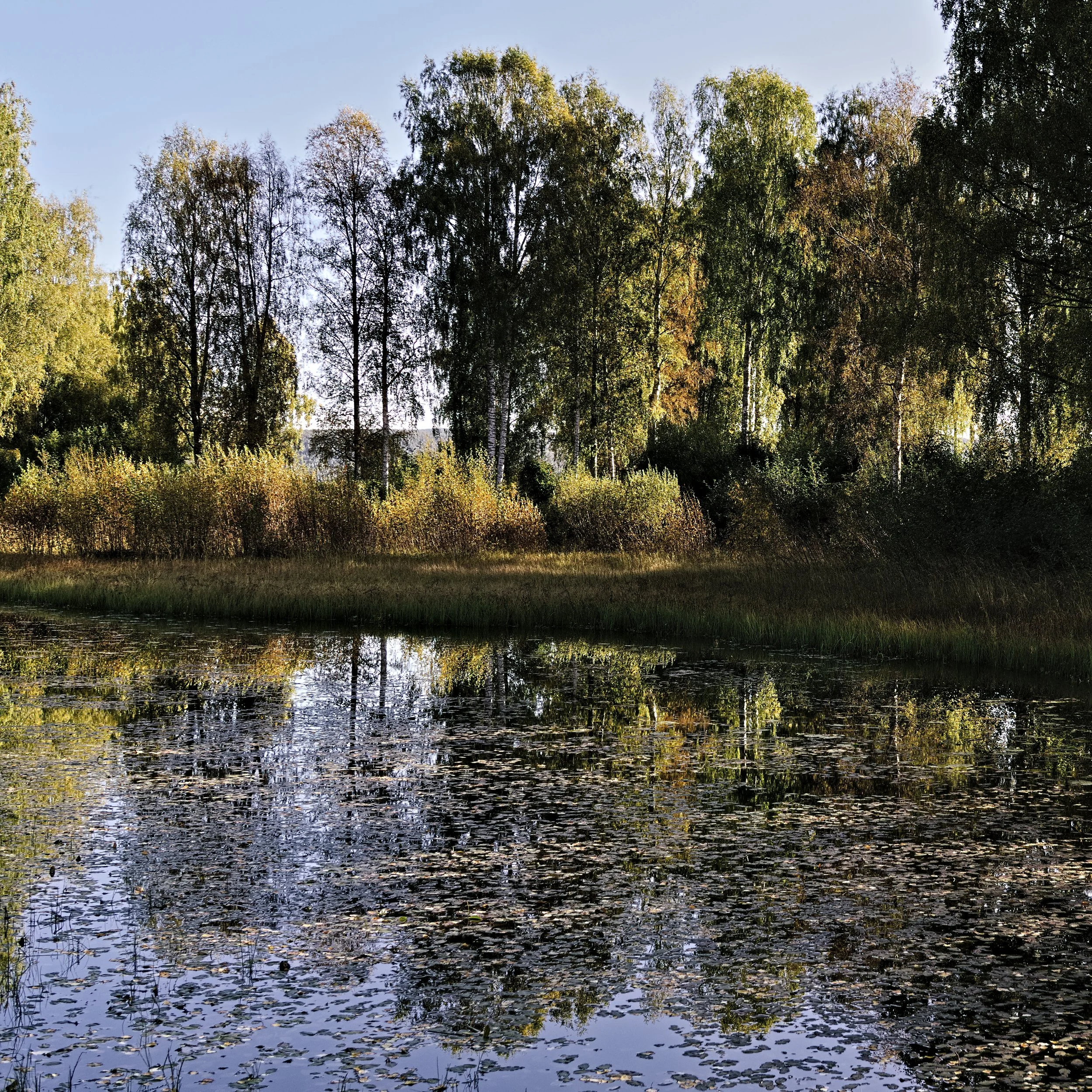
The moment has come.
The autumn equinox.
Soon the nights will once again be longer than the days.
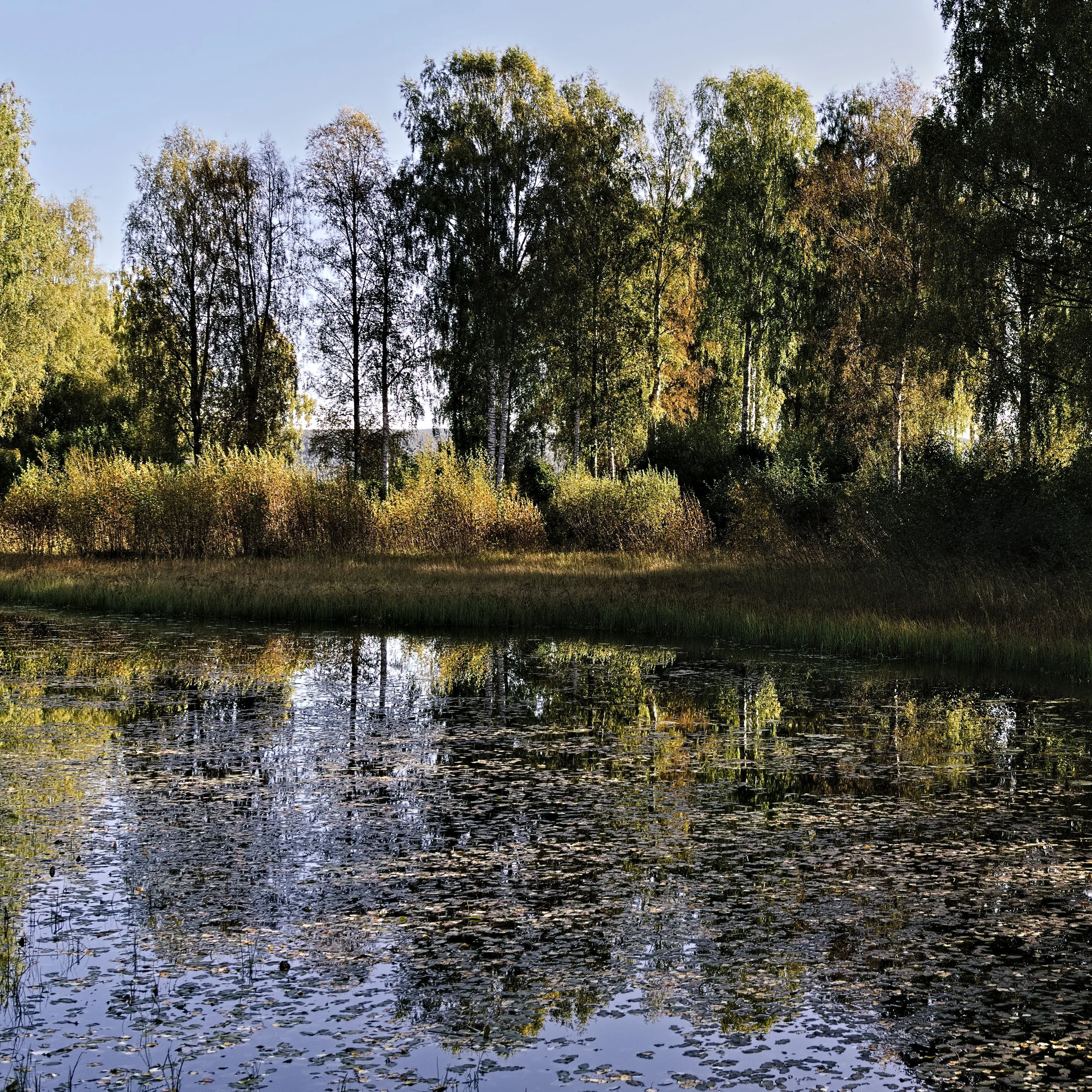
Autumn is arriving, painting the trees in vivid colours. The low sun bathes the landscape in an enchanting light, and it is still warm enough for long walks.
This photograph was taken just a few minutes’ walk from our house, by a pond near the Ångermanälven.
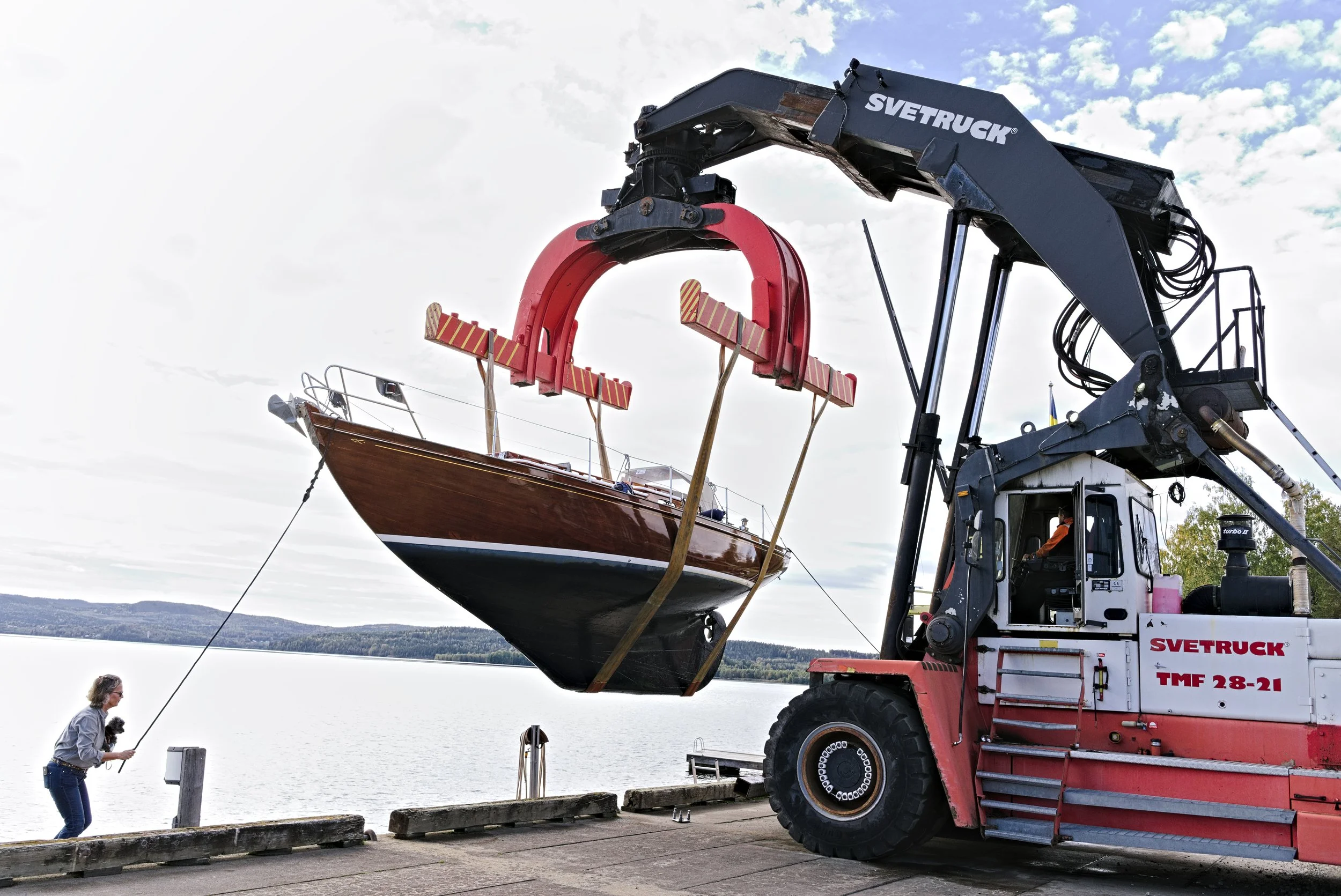
The sailing season is over
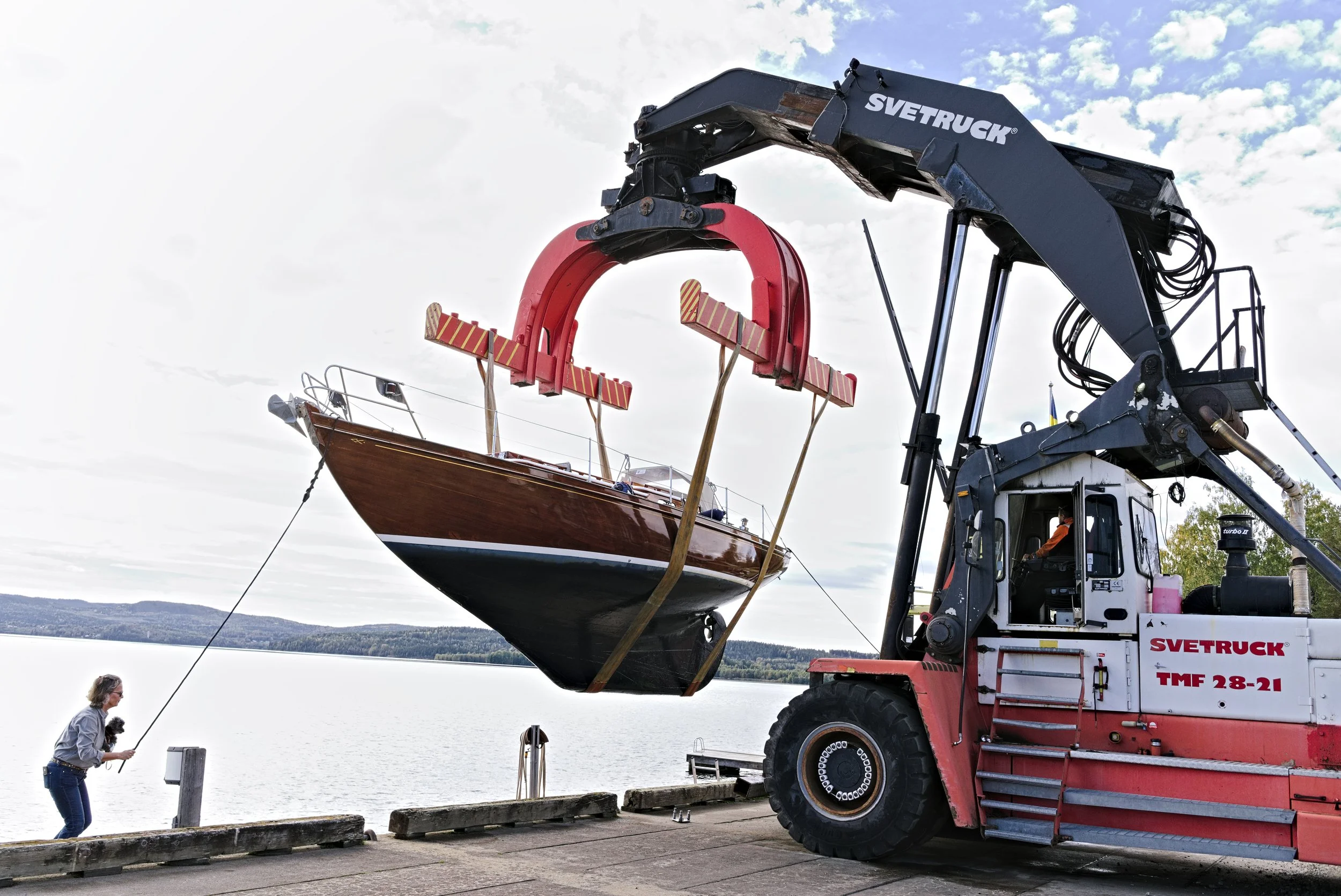
SY “Inismara” is lifted out of the water in Sandslån Marina, northern Sweden. Photograph: Markus Senn
Ashore.
September. The nights are turning chilly and the days noticeably shorter. Here in the north, the sailing season is already over. The boats come ashore and are prepared for winter, long before the Ångermanälven freezes over.
At our marina in Sandslån, a tractor of considerable proportions did the lifting. The slings were carefully positioned, the boats slowly lifted out of the water and lowered onto their trailers with millimetre precision.
My “Inismara” among them, looking almost fragile hanging in the heavy slings. One more day in the sunshine, then the long, dark stretch ashore begins.
I would gladly have sailed on a little longer.
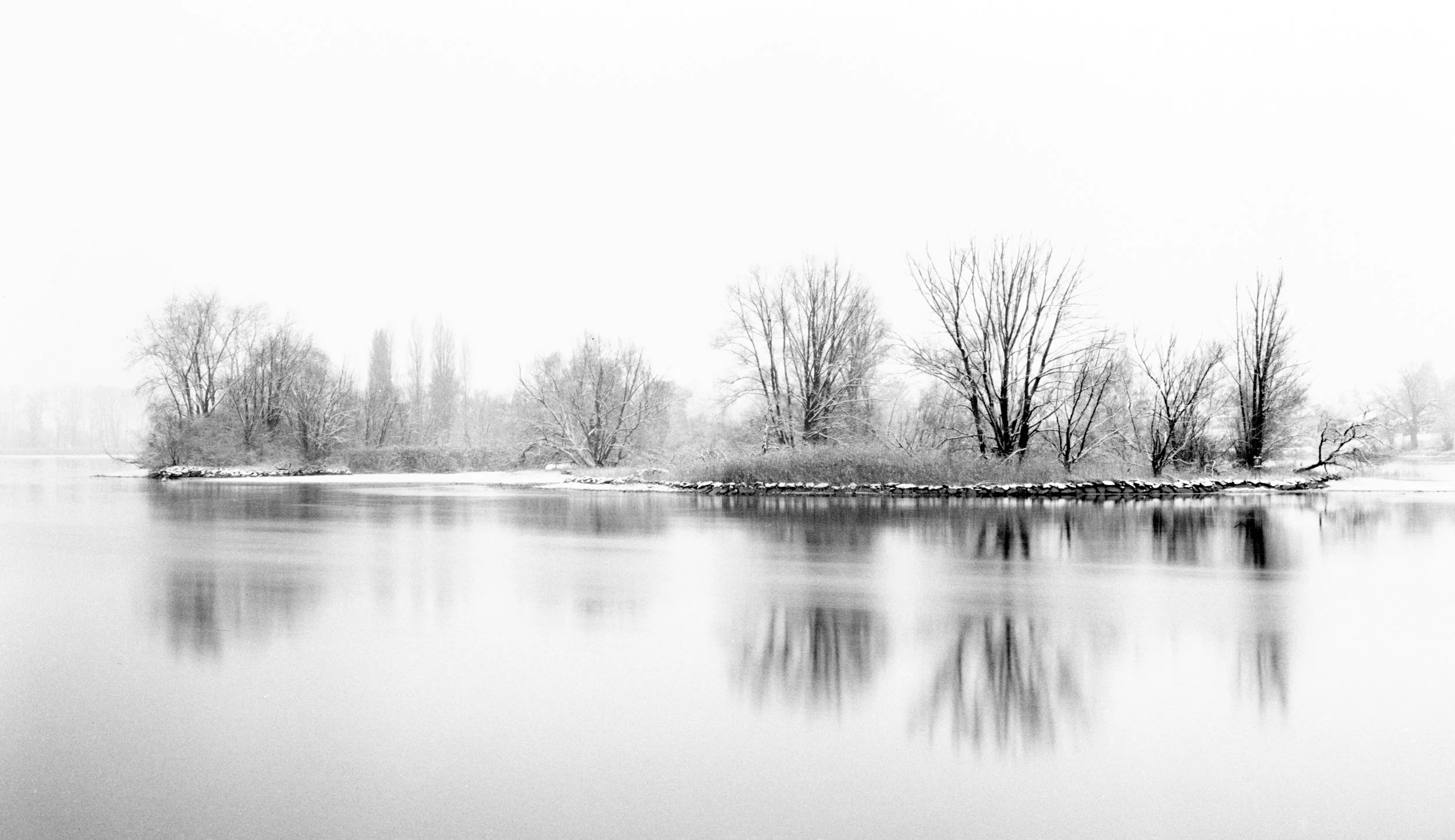
From the Archive: Werd Island in the river Rhine, Switzerland
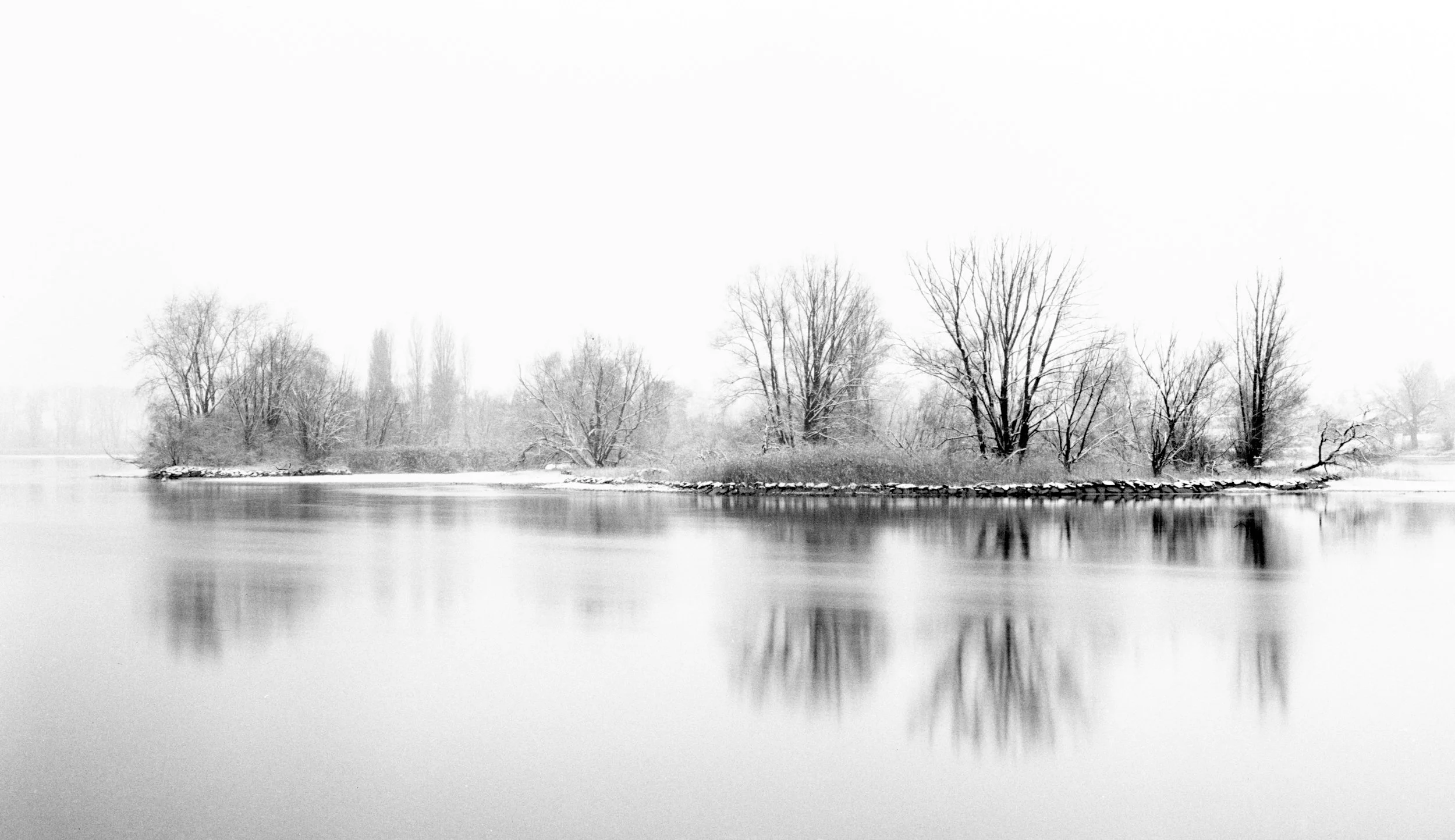
Before moving to Nyland in northern Sweden in 2023, I lived in Stein am Rhein, Switzerland, right by the river. In winter, the water temperature only drops to around 6°C — warm enough for me to keep swimming all year round. Every day, I would walk about two kilometres upstream and then let the current carry me back down to our house. On the way, I would pass Werd Island, photographed here on a foggy winter’s day.
What surprises me about this picture today is the resemblance to where I live now, with its view of “Lilla Norge”, the little island in the Ångermanälven. Perhaps my choice of a new home wasn’t entirely a matter of chance after all…?
Camera: Moskva-4, 6x9 cm
Film: Fomapan 100
The Ruin
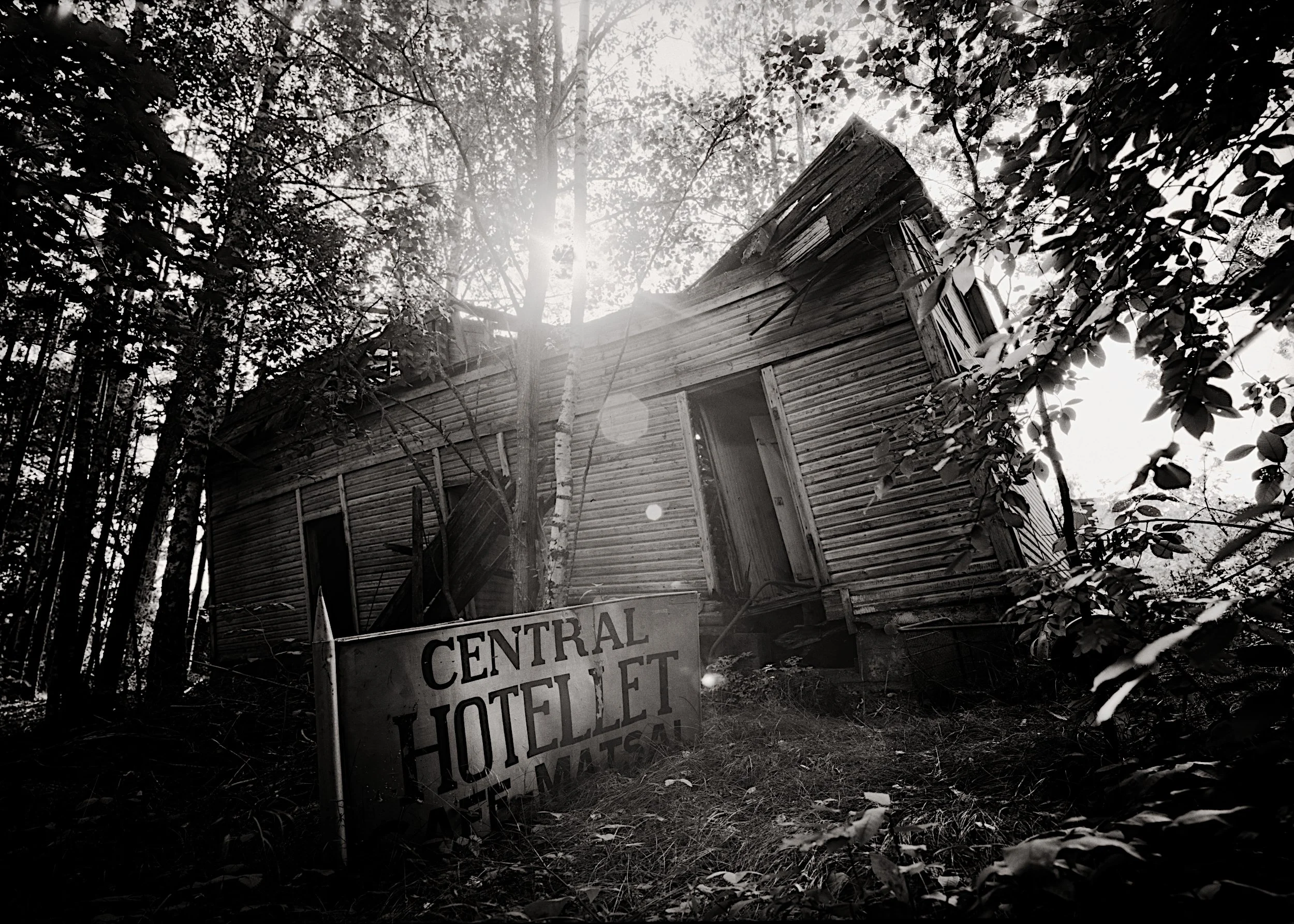
Opposite our house lies a small birch grove. It grew up after the Hotel Central, which once stood on this property, was destroyed by fire and nobody took care of the piece of land anymore.
An outbuilding survived. Today it is slowly falling apart – and seems almost to be held upright only by the trees that have since grown around it.
The old hotel sign recalls those days when Nyland’s harbour quarter was full of activity. Of the three hotels that once stood here, not one remains today.
Who knows the history of this place and can tell us about it?
Memory and Anticipation
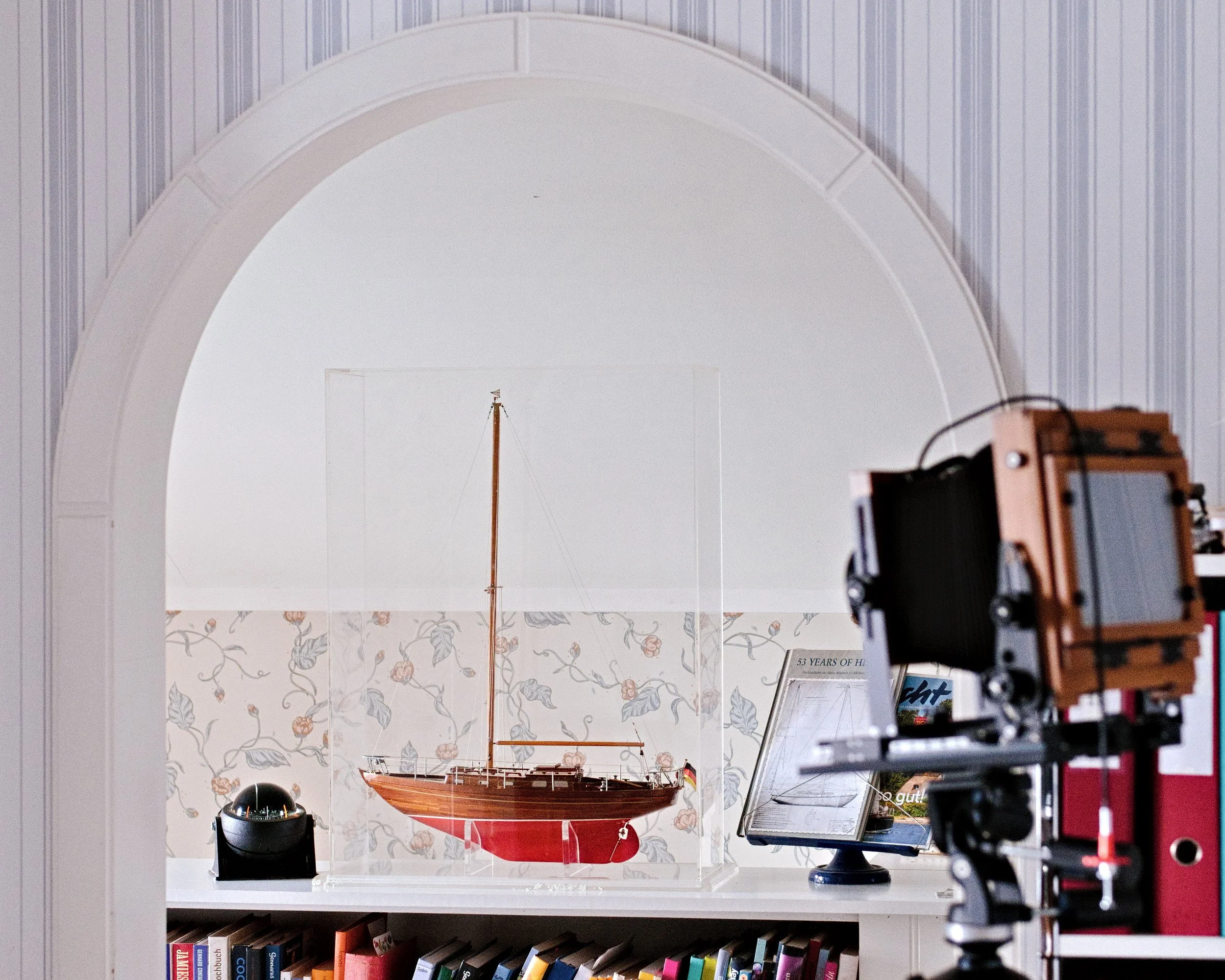
A few years ago, after I had bought my sailing boat Inismara, which at the time was still called Schwaben, I met the widow of the boat’s first owner. The coastal cruiser had been built in 1966.
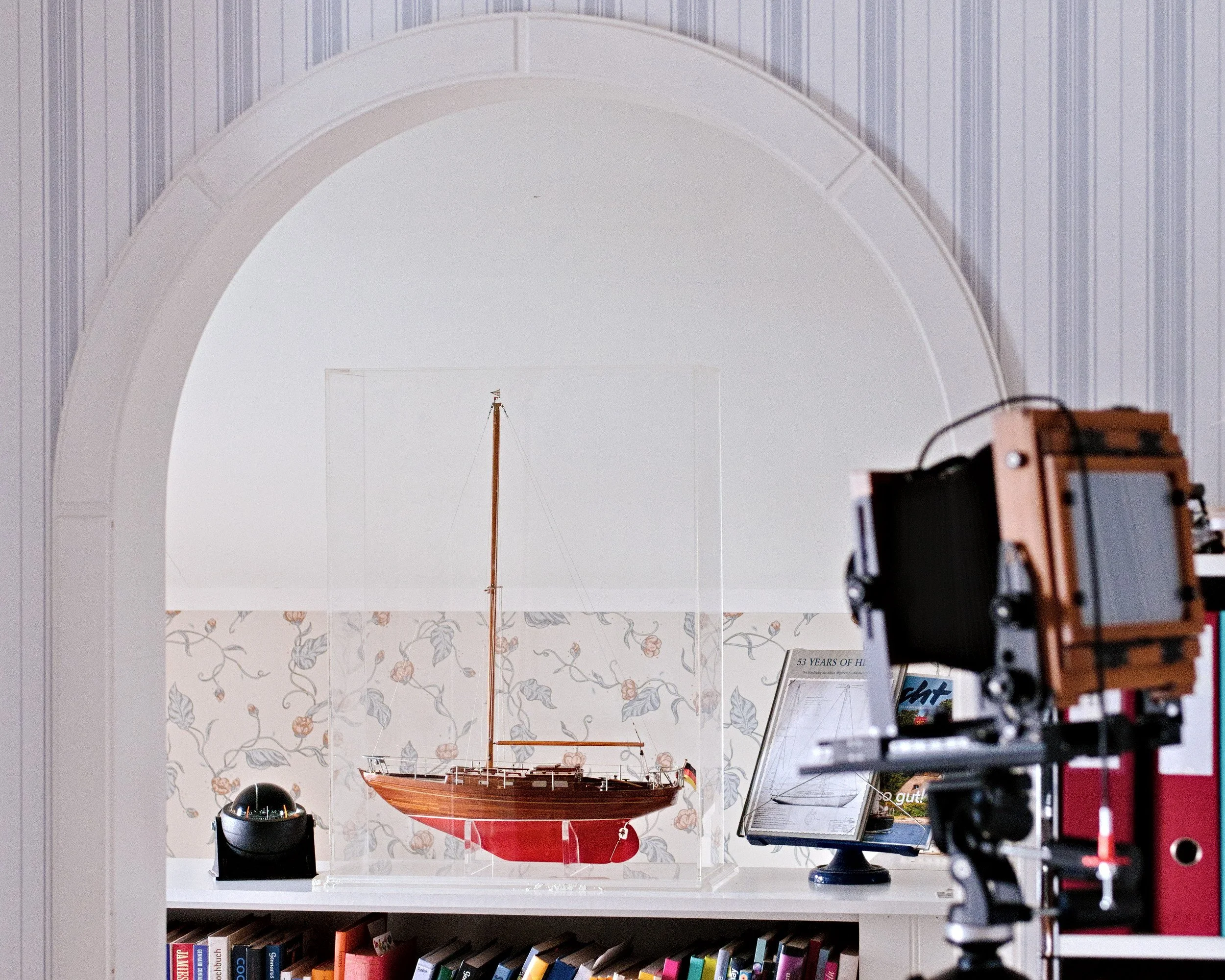
We immediately got along well, and during one of my visits to her home I saw the model of the boat standing in her living room. Built to a scale of 1:20, it included every imaginable detail — even a working tiller and a moving rudder.
I was completely captivated.
During my last visit, before she set off on her final journey into sailing waters unknown to us, she was determined to give me something that would always remind me of her.
Knowing how much she and her family cared about the model, I could not possibly bring myself to ask for it. Instead, she gave me a small silver bowl — and it does indeed remind me of the enthusiastic sailor she had been.
A few weeks ago, her son called me. The family was clearing out the apartment, he explained, and they had come to a decision: the model belonged with the real boat.
“When can I bring it over?” was all he asked.
For once, I was lost for words.
The model now has its place of honour beside my office. I built the bookcase two years ago, and looking at it now I have the strange feeling that perhaps, without knowing it, I had already designed it with the model in mind.
It fits perfectly.
Here in the North we have seven months of winter and five months of non-winter. For sailors, the calculation is even more dramatic: the boat spends four months in the water and eight months in the shed.
Which raises an obvious question: how do you keep the fascination of sailing alive through those long winter months, when lakes and rivers are frozen?
Whenever I walk past the model — which happens at least a dozen times a day — a sailing film begins to run in my head.
I remember the days and weeks aboard Inismara, the restoration work after buying a somewhat neglected boat, my voyage from the Schlei in northern Germany to Umeå in northern Sweden, Trysunda, and finally our arrival at BK Flottaren, at the uppermost navigable end of the Ångermanälven, where we have found our new home.
And no matter how long the winter lasts, there seems to be no limit to the anticipation of spring and another summer under sail.
Memory and anticipation.
Do not some of our most intense experiences take place in the mind?
For today, inspired greetings from the North. And yes — there is still another month of sailing season left, but everyone here is already talking about ice and snow…
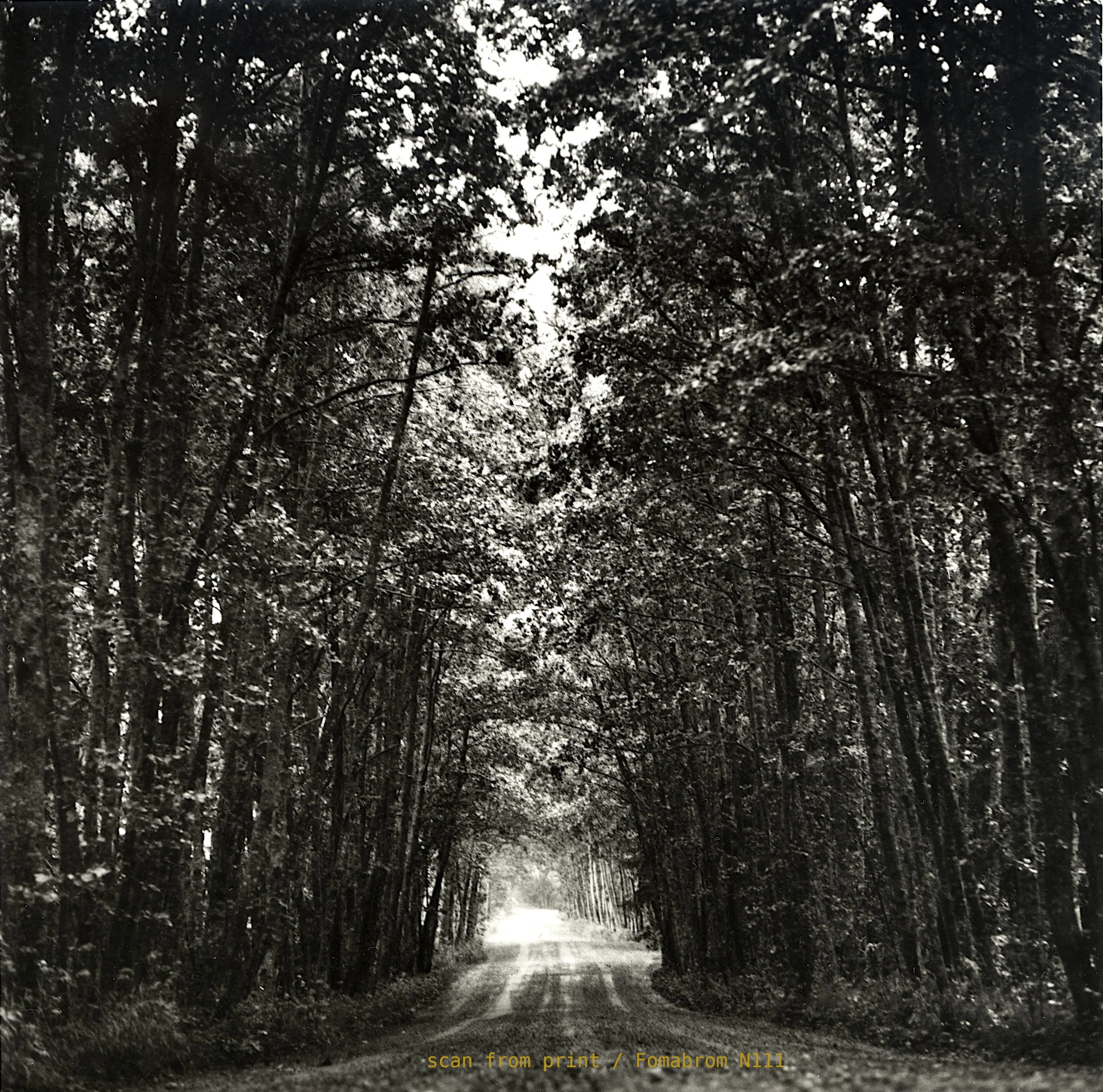
Väg till Utsikt
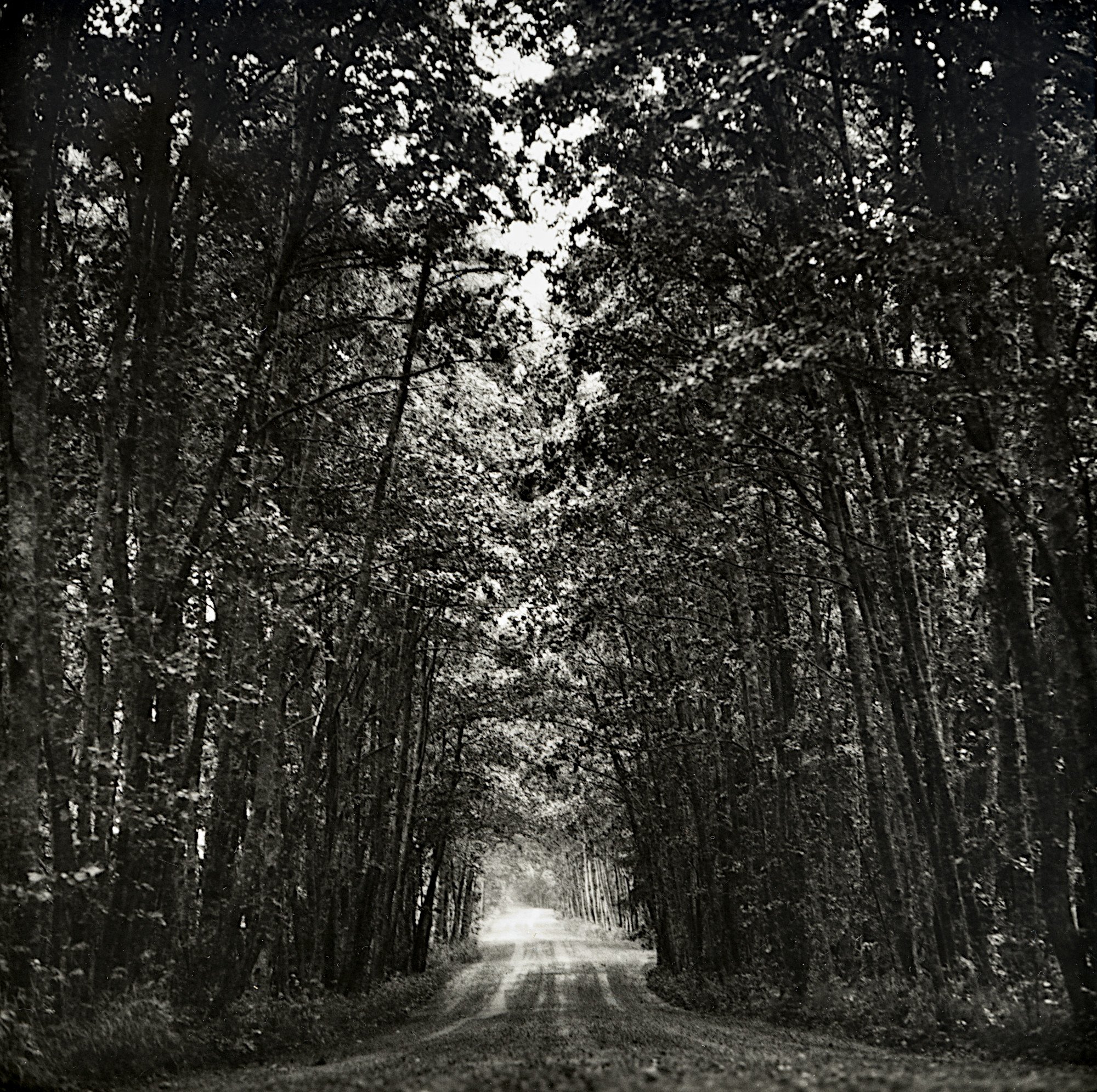
Väg till Utsikt
The first print from my darkroom in Nyland
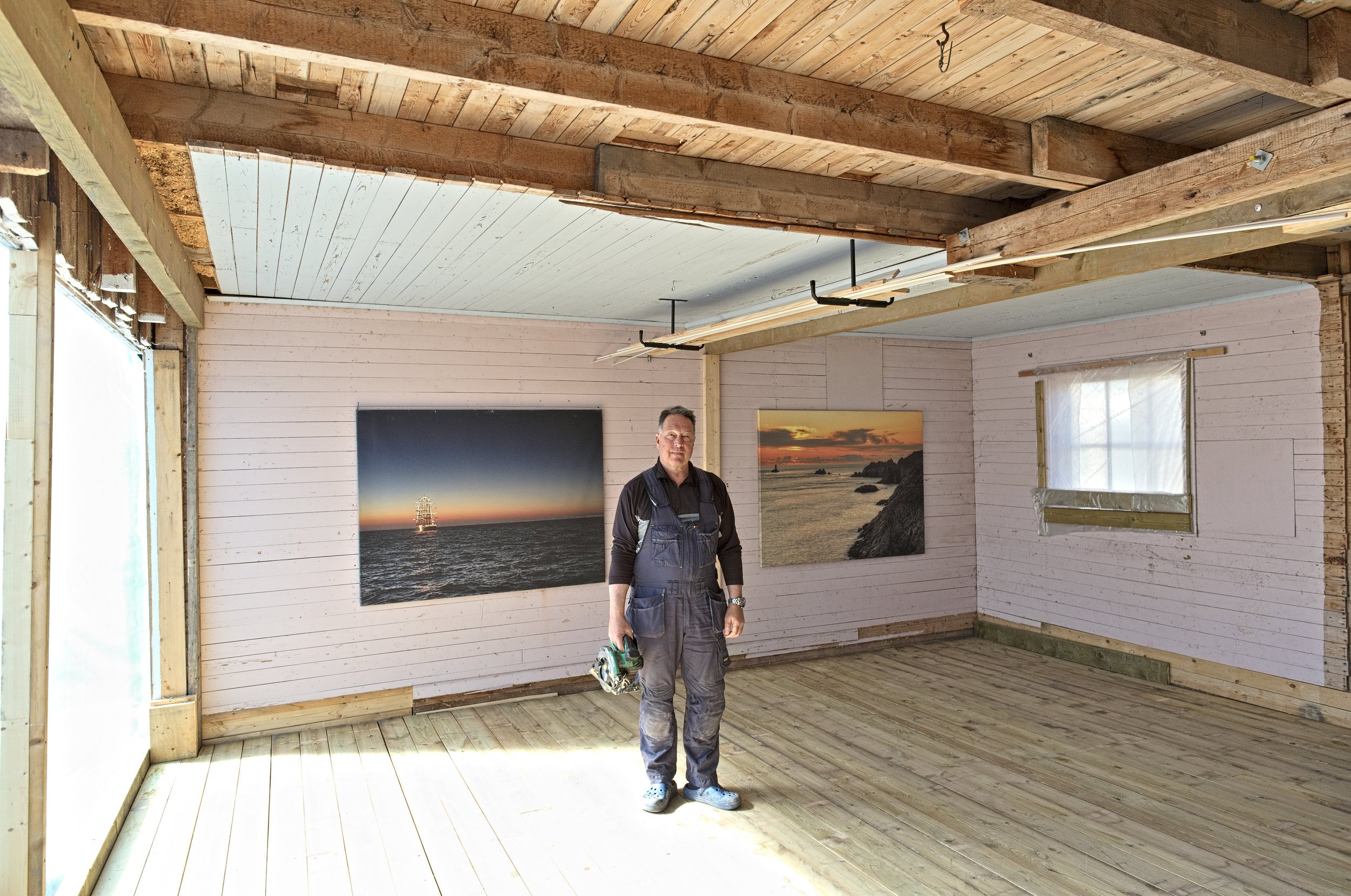
It has been a long time since my last newsletter — almost exactly three months. There were good reasons for my silence. For one thing, I was in the final stages of renovating our house here in northern Sweden; among other things, I wanted to get my darkroom fully operational at last. I also laid a new floor in the Konstlada, which is gradually taking shape. Next summer, I will exhibit my photographs in this barn on our property.
The most important project of all, however, was planning our wedding celebration. On 4 July, Andrea and I were married on the wooden terrace outside our house. Organising this celebration — the most important event of the year for us — absorbed quite a few of our resources.
Now the rings have been exchanged, the renovation of the house is complete, and the red safelight is glowing in the darkroom, signalling: work is being done here.
“Väg till Utsikt” is the first gelatin silver print I have made in my new darkroom. The image is very significant to me: it marks the beginning of my independent artistic work as a photographer in northern Sweden.
The print will be available for purchase at a later date.
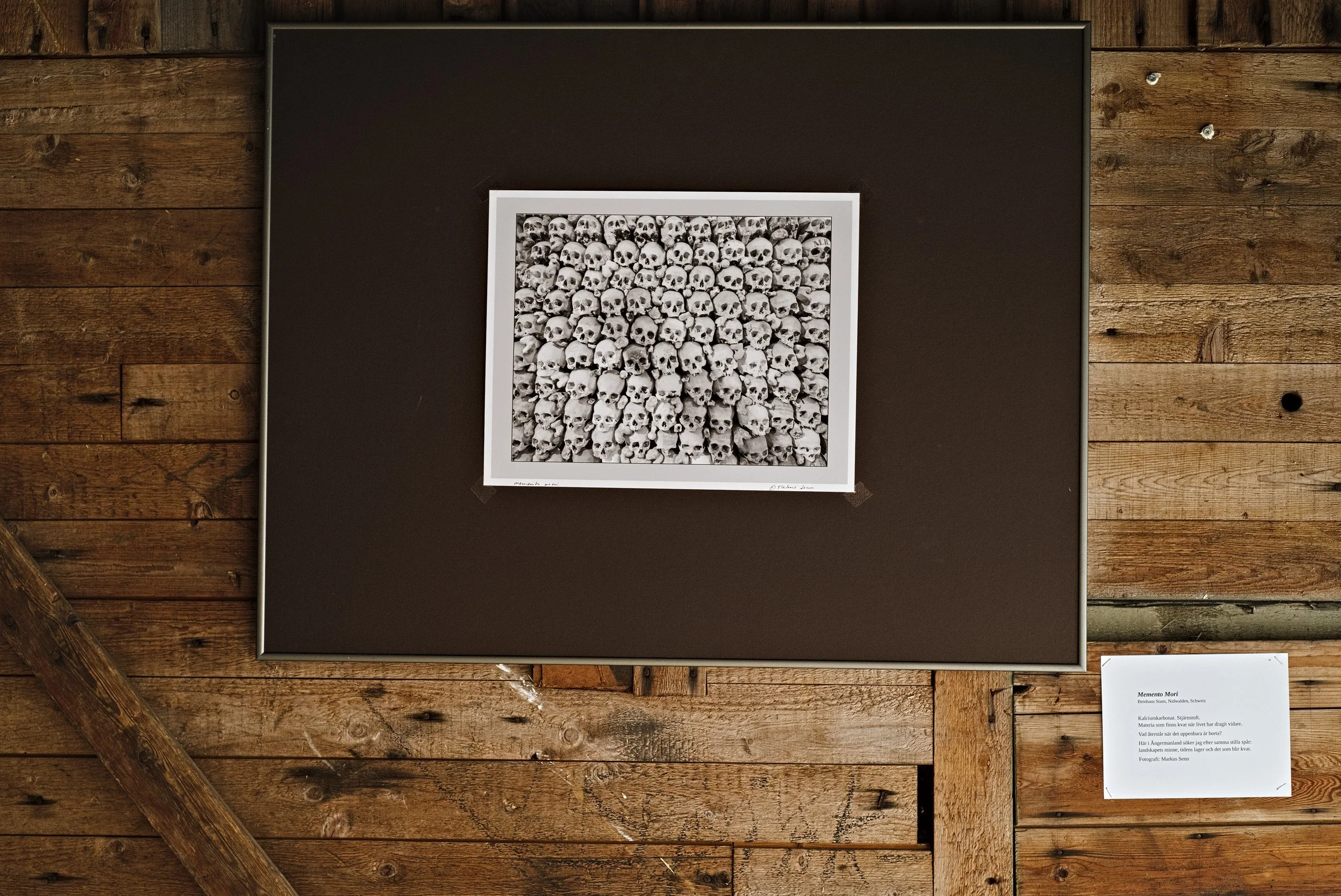
Memento Mori — first image in the Konstlada
The first photograph has found its place in the Konstlada — not in a finished gallery, not behind glass, not in a polished white room, but on a wall of raw timber, at the foot of a staircase that still has to be rebuilt.
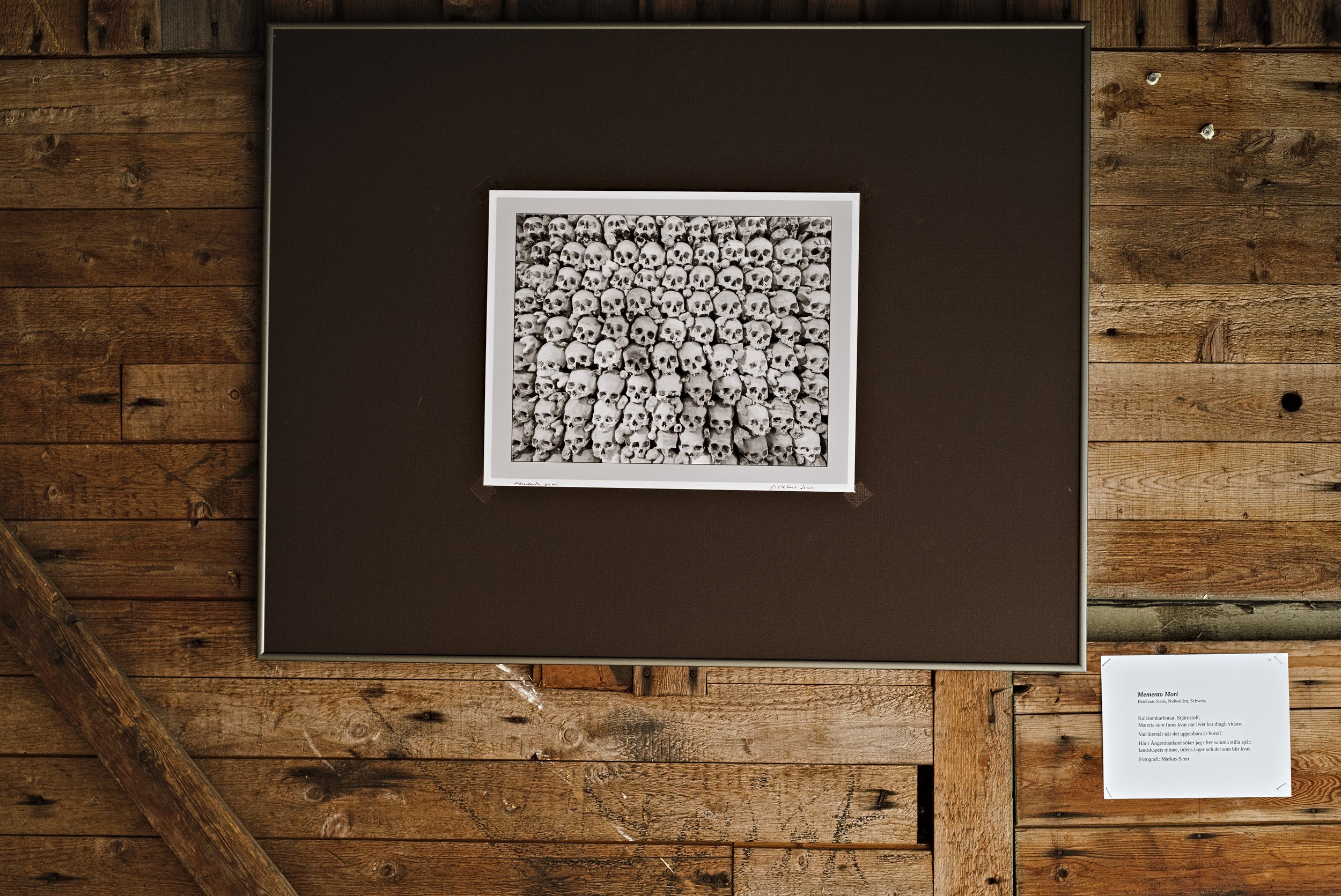
Konstlada 63° Norr under construction - first picture hanged on Mai 13, 2026
That feels right.
The image was made from a scanned 4x5 inch negative, photographed in the ossuary of Stans, Switzerland. Rows of skulls, traces of lives, matter returned to its quiet form. Calcium carbonate. Bone. Dust. Stardust, if we follow the thought far enough.
For me, this is not a dark image in the theatrical sense. It is not about shock, and not about decoration. It is a reminder that what we see is only a temporary arrangement. Bodies, houses, landscapes, barns, photographs — everything is form for a while, then changes.
Here in northern Sweden, this thought has become part of my photographic search. I am not looking for spectacular views or instant satisfaction. I am interested in traces, structures, silence, weather, distance, and the slow presence of a place. Ångermanland is not a backdrop for images; it is a landscape that asks for time.
The Konstlada 63° Norr is still a construction site. Floors are being rebuilt, walls repaired, rooms slowly cleared and shaped. But perhaps that is exactly the right moment to show a first image. Not as a final statement, but as a beginning. A marker. A question on the wall.
The photograph is mounted deliberately simply, without glass, with a visible provisional character. It does not pretend that the room is finished. It belongs to the present state of the place: unfinished, precise enough, open to change.
In a time when images often ask for immediate reaction, this one asks for something slower.
Look longer.
Think with it.
Stay a moment.
The great elk migration
Life in northern Sweden makes the seasons visible in many ways: in the changing light, in the breakup of ice, in the return of birds — and also in the movements of large animals across the landscape. One of the most striking spring events is the Great Moose Migration near Kullberg, outside Junsele in Ångermanland, where moose gather year after year to cross the Ångerman River and continue on toward their summer ranges. Sweden’s public broadcaster SVT follows this migration live under the title Den stora älgvandringen. In 2026, the broadcast runs from 18 April to 8 May, with an earlier start because spring arrived unusually early.
The natural history behind it is clear enough. In northern Sweden, many moose move between distinct winter and summer habitats. According to research from SLU, migrating moose in the north often travel roughly 30 to 90 kilometres, and in the Junsele study area the average distance between winter and summer ranges is about 55 kilometres as the crow flies. For female moose, the spring journey is particularly purposeful: within one to three weeks they reach their summer range, where they give birth and take advantage of the fresh, nutrient-rich vegetation.
What makes the migration especially compelling is its continuity. Around Kullberg, the moose do not simply wander at random; they follow landscape corridors that have been used for a very long time. SLU and SVT point to archaeological traces suggesting that moose in this region have moved along the same natural paths and waterways for thousands of years. That gives the event a particular depth: it is not just beautiful footage, but a brief glimpse of an ancient seasonal rhythm between animal, river and terrain.
For many Swedes, however, the migration now means more than wildlife biology. It has become one of the country’s best-known examples of slow TV. Viewers watch hours of forest, wind, current, birdsong and empty riverbanks, knowing that at any moment a moose may appear. Researchers at SLU describe the programme as a form of shared digital nature experience; many viewers experience it as calming, communal and almost like a digital campfire.
The production itself is substantial. In 2026, according to SVT and Visit Sweden, the broadcast uses more than 30 cameras and new camera angles, running around the clock. The record during SVT’s live seasons so far is 87 moose crossing the river during one broadcast period. What began as an unusual nature stream has grown into a national and international phenomenon: reports on the 2024 season cited close to 9 million starts/viewer sessions, with interest reaching well beyond Sweden.
Perhaps that is exactly the point. The Great Moose Migration expresses something many people associate with Sweden at its best: patience, closeness to nature, trust in silence, and a willingness to let apparently uneventful things unfold in real time. Watch it for a while, and it becomes immediately clear why this quiet spring ritual has found such a devoted audience. The official live stream is available on SVT Play.
Here is the link to the TV stream on SVT Play - you do not need to log in, just klick here!
Brev från Norr #22
My Newsletter of April 23, 2026 on the great elk migration and progress in the Konstlada.
The great elk migration in northern Sweden
News from Konstlada
It will be spring in northern Sweden
Hey there,
It will be spring here in northern Sweden. A sure sign of this is the great elk migration. Very close to us, a little upstream at Kullberg, every year the elk cross the Ångermanälven (the river where we live) on their migration towards summer pastures — on paths they have been using for a very long time. Across Sweden, an astonishing number of people watch this silent natural spectacle live on screen. You immediately understand why: forest, water, bird calls, lots of patience — and suddenly there is a moose in the picture. A natural event has long since become a small national ritual, almost a kind of digital campfire in slow motion. Slow TV at its finest. A Swedish Spring Ritual.
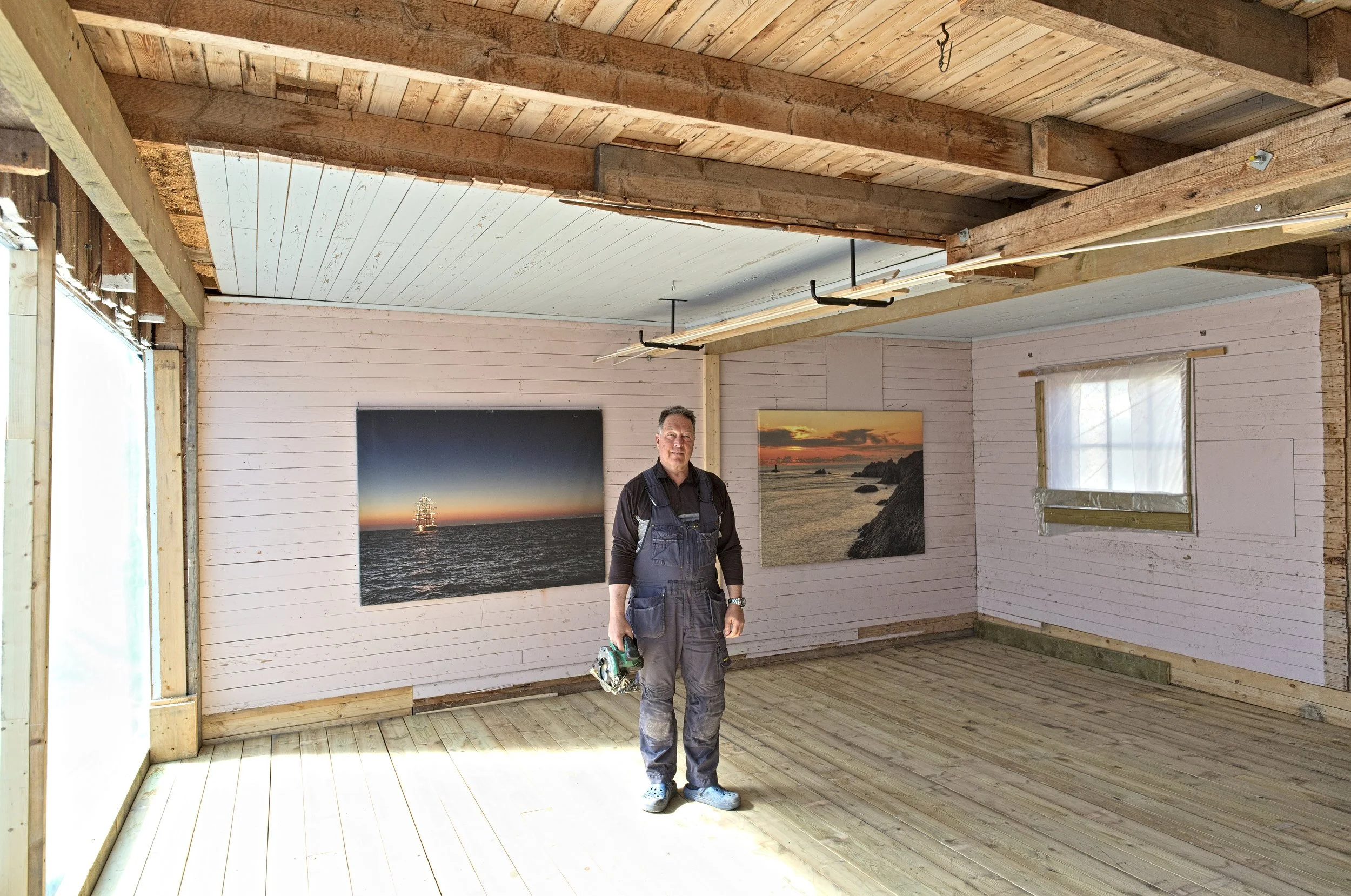
The Konstlada is also changing a lot these days. Today I finished laying the wooden floor in the first room. Solid 34mm thick wooden planks form a quaint, characterful floor in this multi-purpose room, which will mainly be storage space in winter and will be used for exhibitions, workshops and for our Loppis - a very popular and common type of private flea market here - in summer. This is what the room looks like now:
I wish you much pleasure in following the moose in northern Sweden and greet you
heartfelt
Markus Senn
photographer & author
Brev från Norr #21
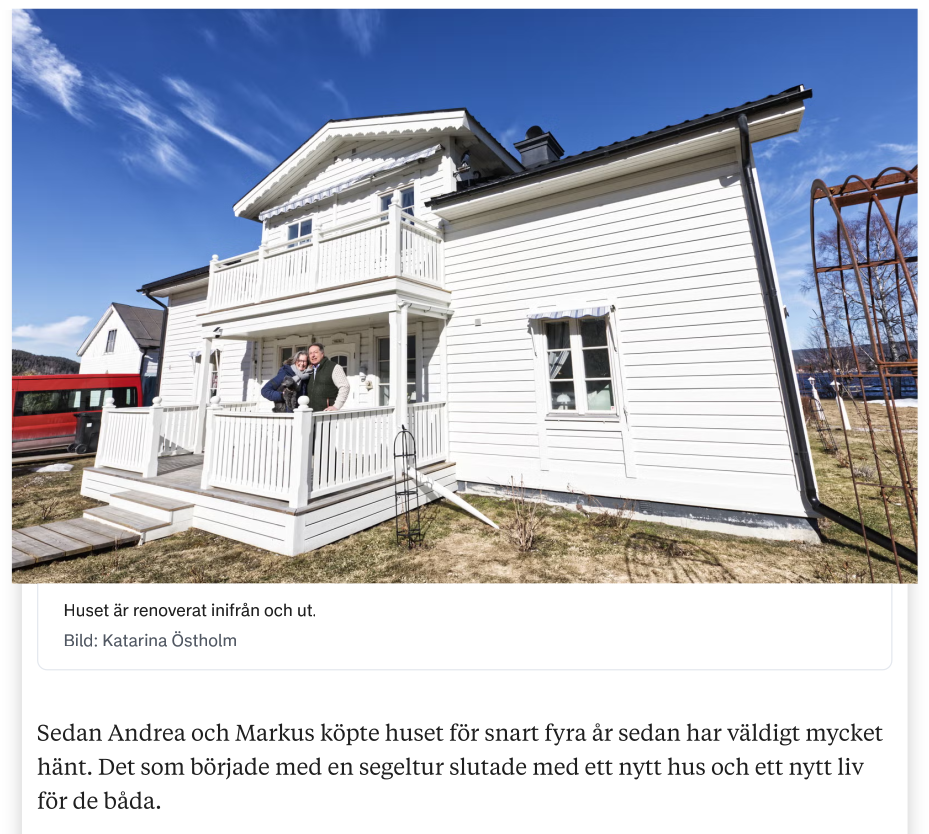
Katarina Östholm is a cultural editor at the popular and widely read newspaper “Tidningen Ångermanland” here in Ångermanland. Recently she wanted to get to know us and learn about our motivation to move to northern Sweden and our plans with Konstlada, among others.
The lively and very inspired conversation lasted a good two and a half hours, Katarina photographed almost exactly as much as I would have done and the result is a veritable “home story”.
I think that slowly but surely we are about to arrive here in the north.
Here is the article in “Tidningen Ångermanland”:
Over the past few days and weeks, with the temperatures getting warmer, I haven't just been working on the new floor at Konstlada and improving my knowledge of timber construction, but have also made some progress in designing my website and integrating mail, newsletters, websites and social media.
Among other things, I was able to solve a language problem fairly elegantly. As is well known, I write my newsletter in German, but the number of my Swedish-speaking readers is naturally growing and I don't want to do without the international, English edition.
But a trilingual newsletter is out of the question; that would lead to utter text chaos.
Why not use AI sensibly here? My website is already automatically translated from the original English into Swedish and German, and with that, I have the solution: I will publish my newsletters as blogs. The desired language can then be easily chosen there.
yours
Markus
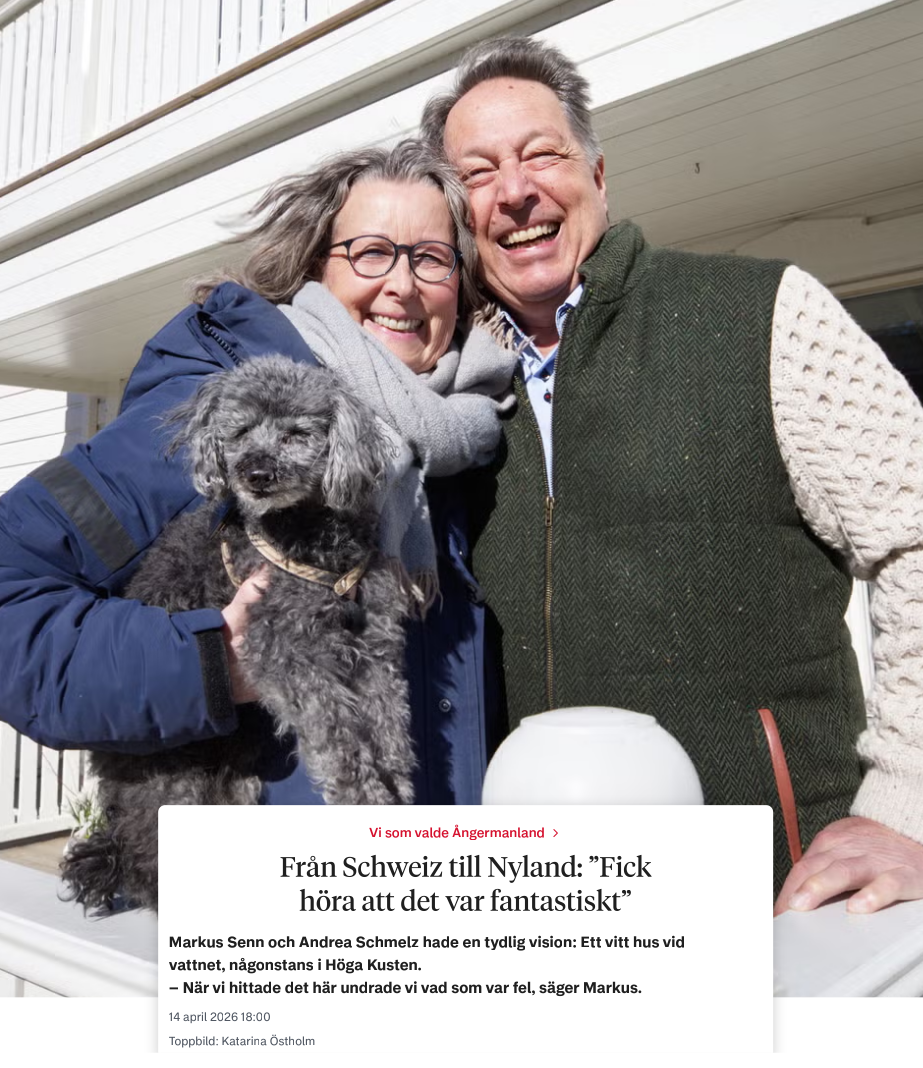
A house, a barn, a beginning
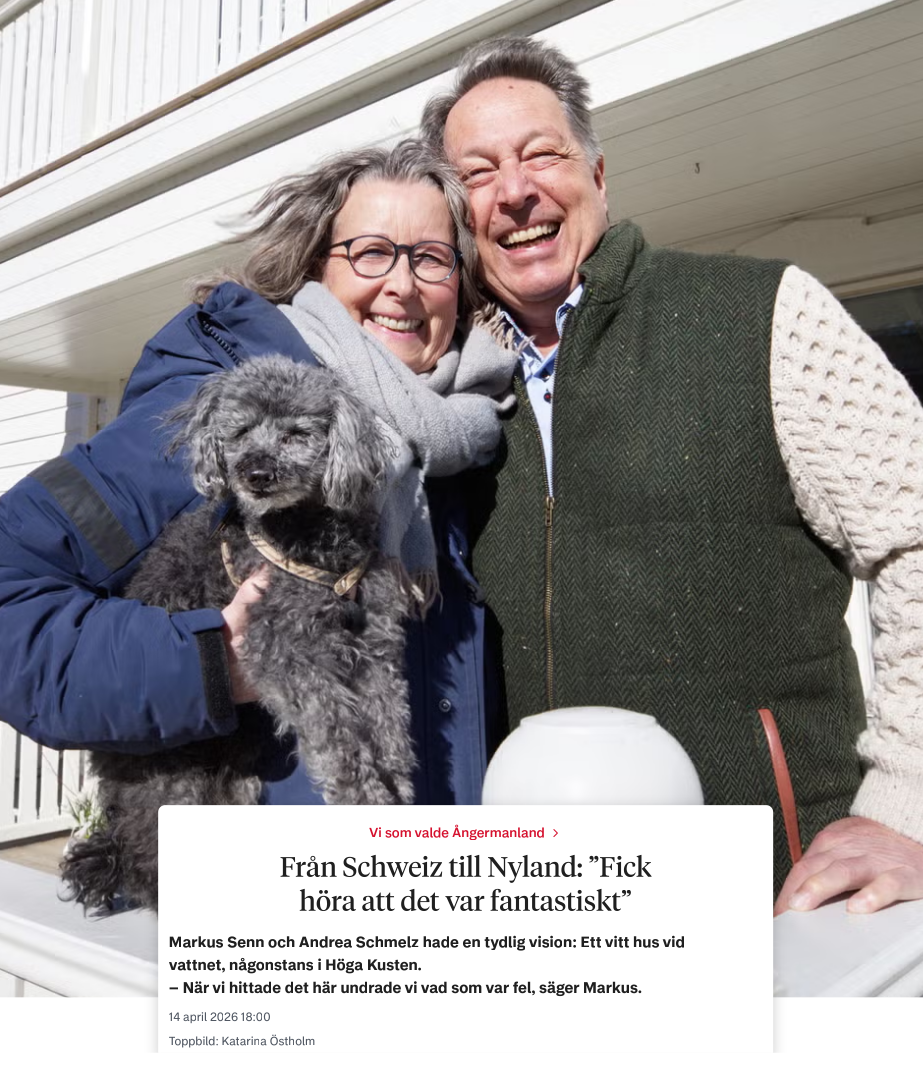
A recent newspaper feature about our motivation to move to th North, my work and the Konstlada project.
The house, the barn and the idea – seen from the outside for the first time.
Click the image to read the full article as PDF.
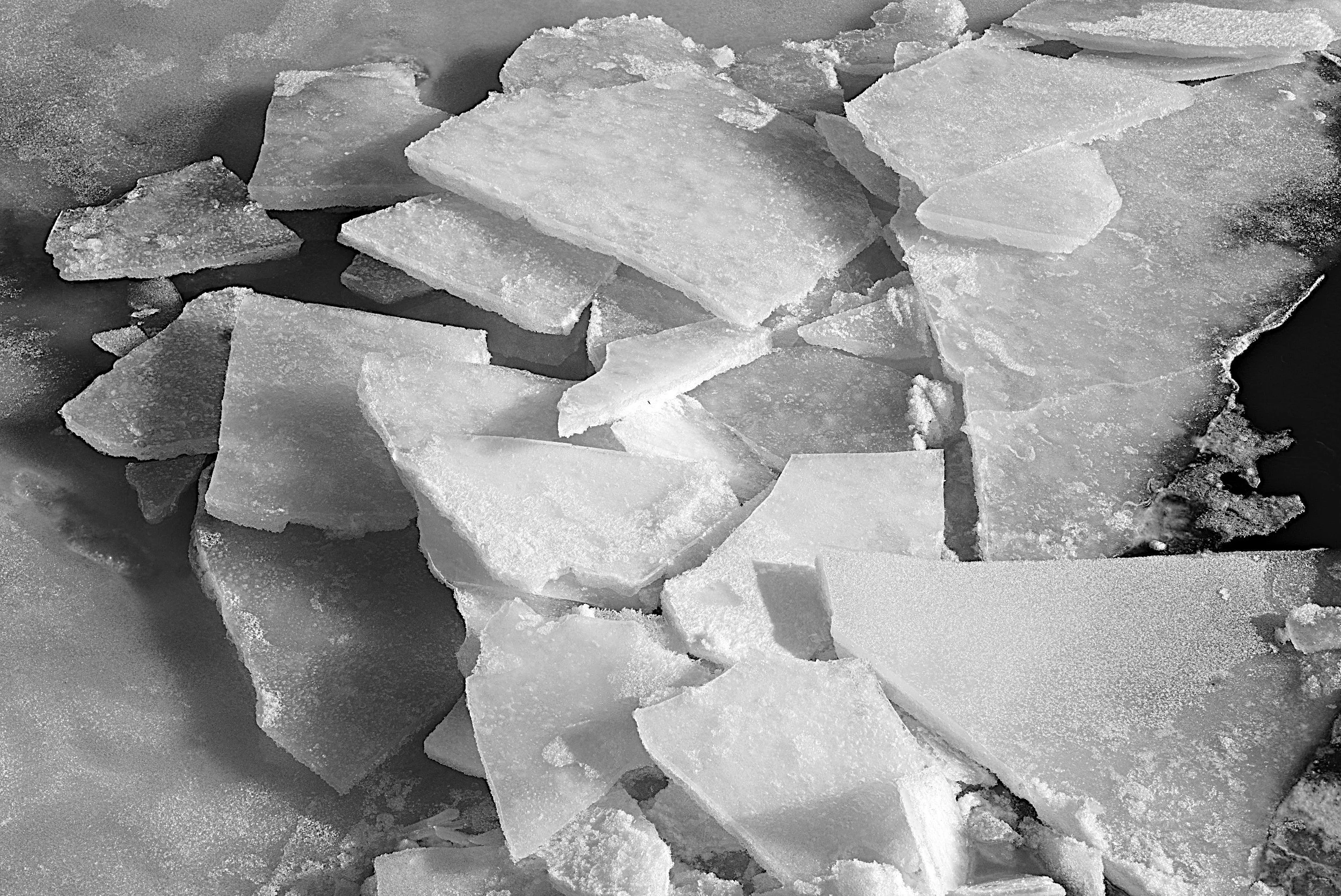
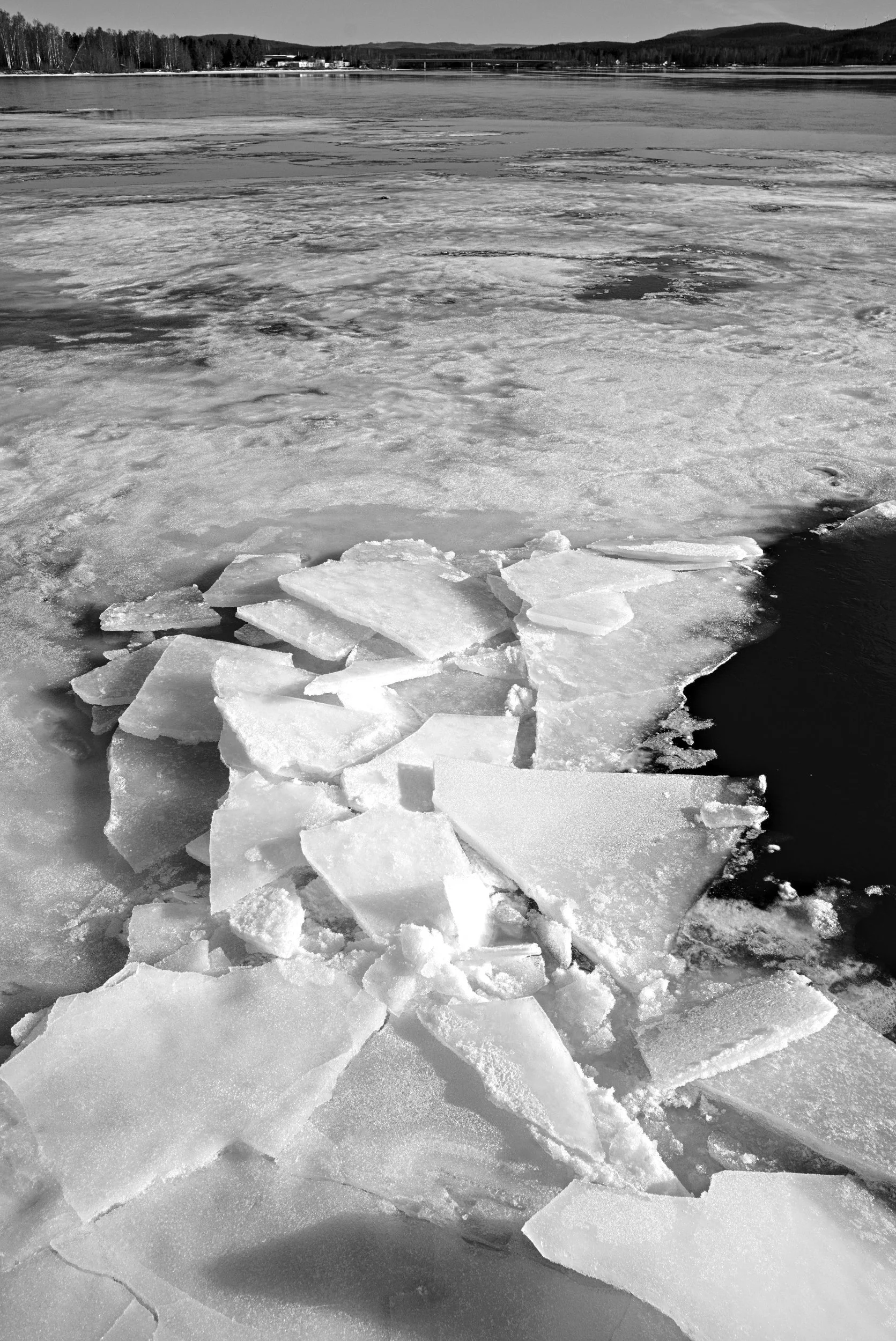
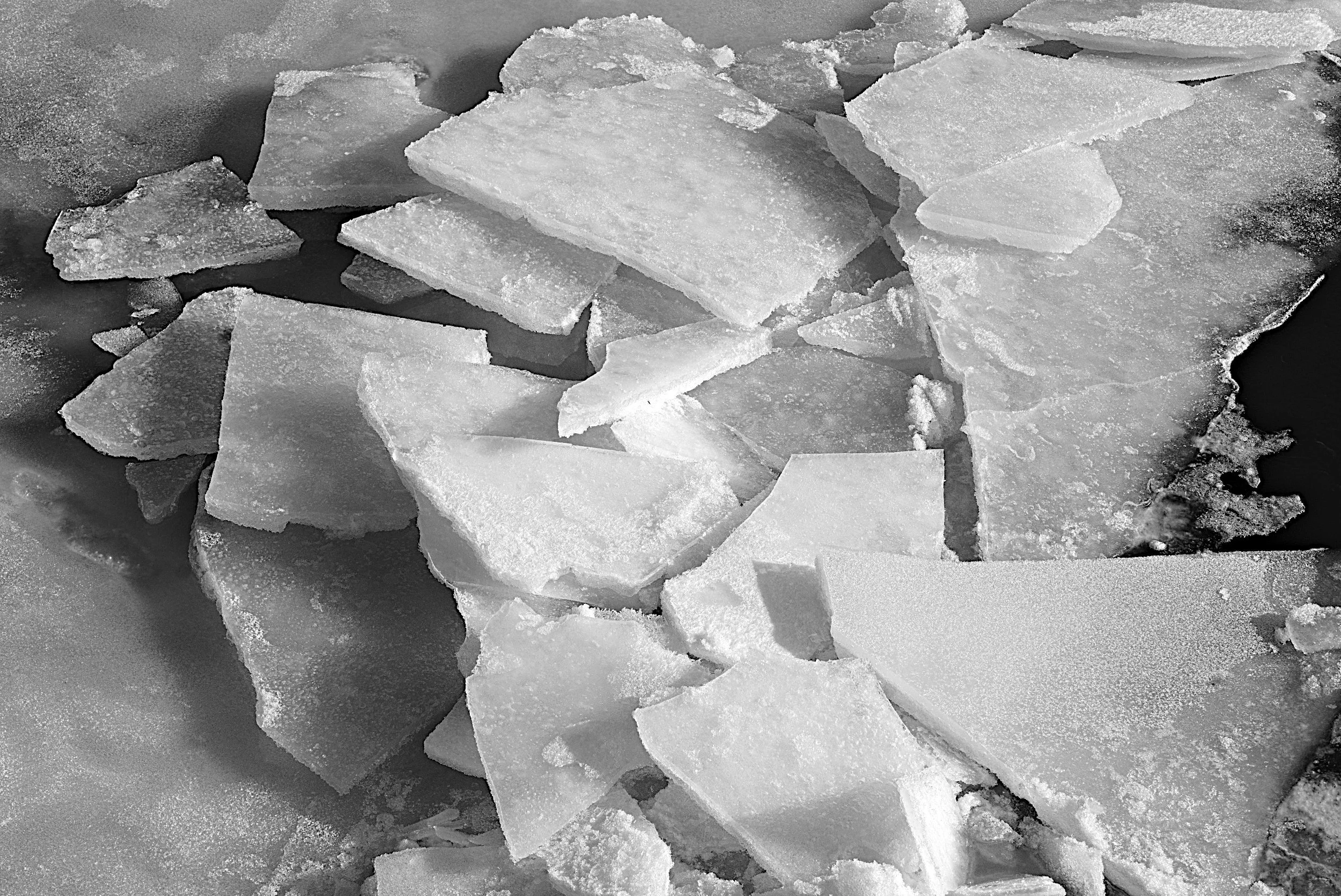
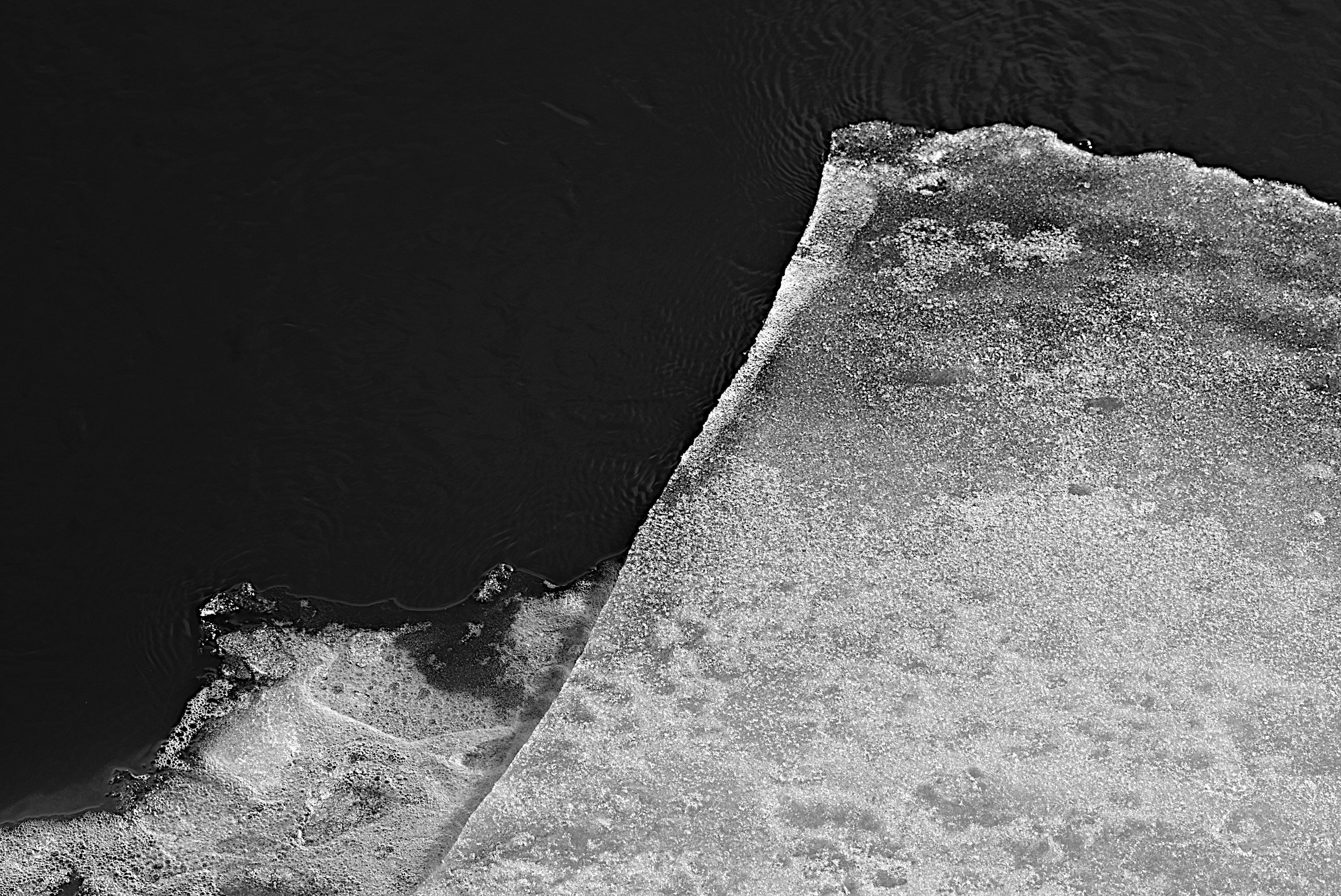
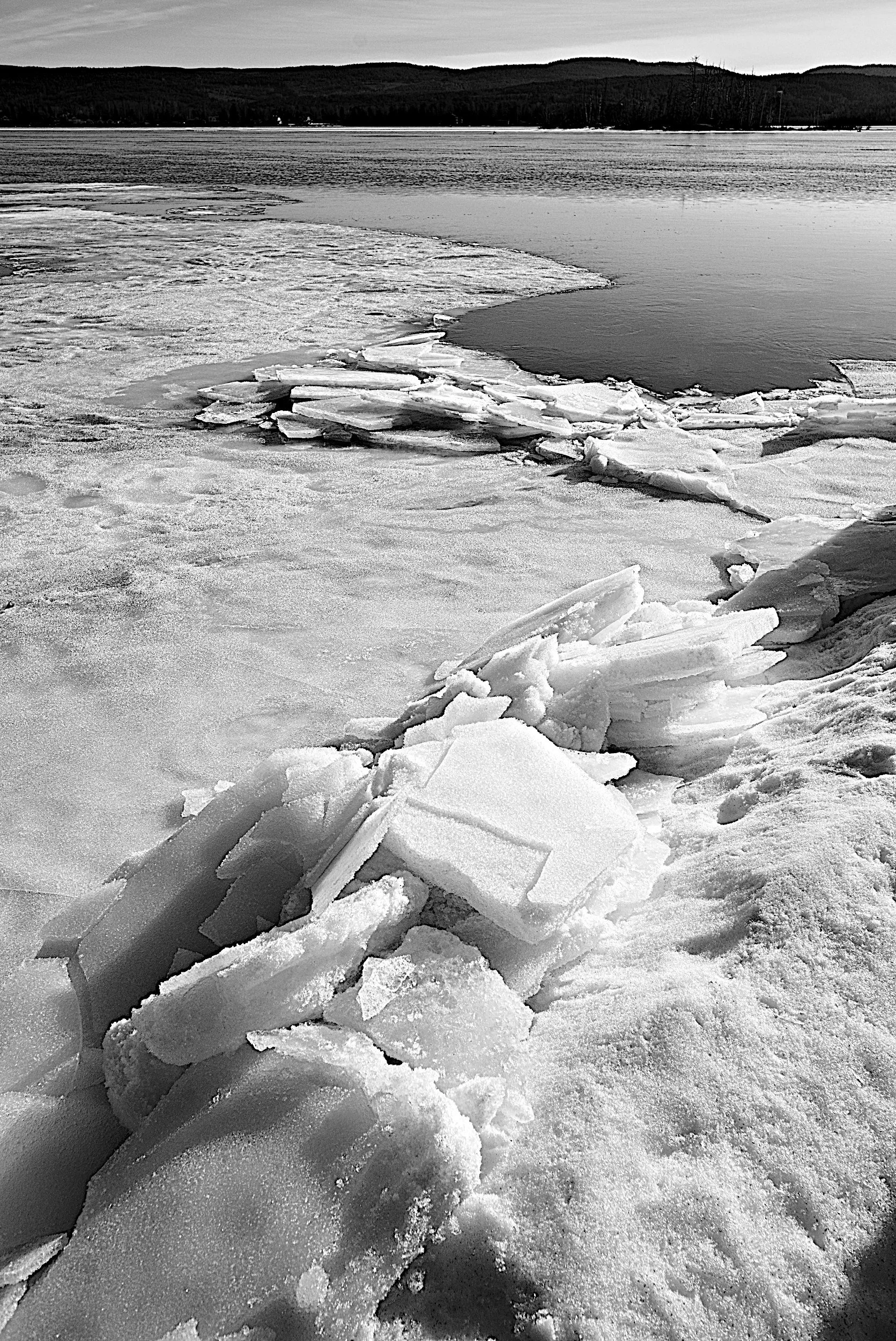
the ice on the river is gone
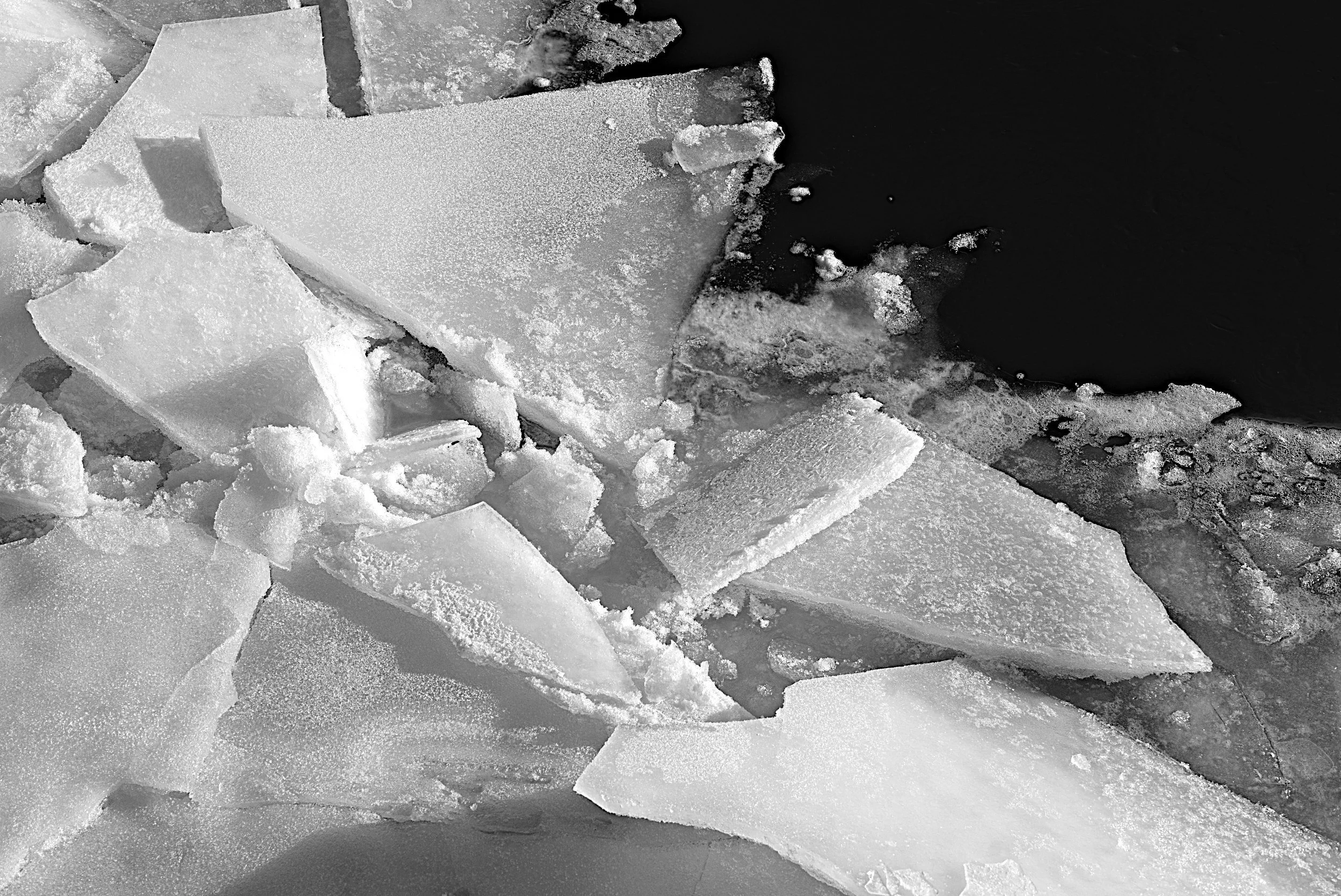
The river moves again
Slowly, almost without sound
A few studies from the pier